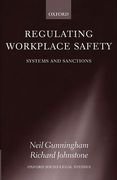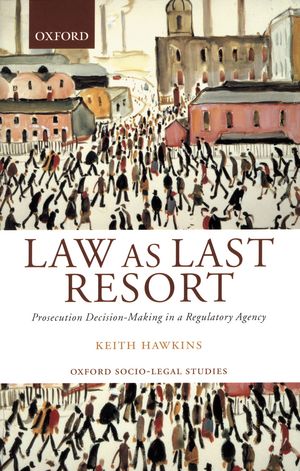
This is a book about the life of the legal system. Its concern is legal decision-making, its focus the handling of prosecution cases in a regulatory agency. In almost all legal disputing formalities are employed as a last resort for a small proportion of cases. Case attrition is a constant feature in the legal system, whether criminal or civil, since extensive pre-trial negotiations search for solutions to problems that avoid the costs, risks, and delays of trial. This book analyzes the attrition of cases by studying decisions made about their creation, handling, disposal, and prosecution.
Exploring these issues asks questions about the public face of law, the meaning of formal processes, and their impact on pre-trial legal manoeuvring. To prosecute is to enforce the law in both a public and a consequential way. In enforcing regulation prosecution visibly takes sides in the fundamental dilemma of regulatory control about how far law should justifiably intervene in business. Using extensive data collected over a fifteen-year period, and with privileged access to the UK Health and Safety Executive, the book presents a multi-level analysis of decisions about prosecution policy and individual cases in a variety of inspectorates.