
The eBooks we sell are sold as a single-user licence and are intended for the end user only.
The sale of some eBooks are restricted to certain countries. To alert you to such restrictions, please select the country of the billing address of your credit or debit card you wish to use for payment.
For further information see https://www.wildy.com/ebook-formats
Once the order is confirmed an e-mail will be sent to you to allow you to download the eBook. For UK purchases this will be automatic. For purchases outside the UK a member of staff will need to confirm the sale. (Staff are available to do this during normal business hours, Mon-Fri 8:30-17:00 UK time)
All eBooks are supplied firm sale and cannot be returned. If you believe there is a fault with your eBook then contact us on ebooks@wildy.com and we will help in resolving the issue. This does not affect your statutory rights.
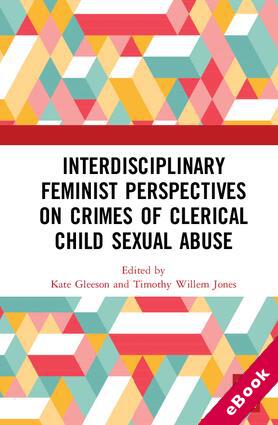
In recent years the sexual abuse of children in religious institutions has gripped the Western world, as churches, governments and civil society attempt to come to terms with the magnitude of widespread historical abuses. Questions continue to be asked about why it is that perpetrators were able to offend repeatedly and with impunity; what is it about institutions that facilitate or foster abuse; and why have survivors of abuse often been treated inadequately by diverse national and international justice and political systems throughout the last century? This volume makes a significant contribution to international understandings of the vexed and sensitive ‘wicked problem’ of child sexual abuse in religious institutions. The chapters in this volume are written from a range of feminist disciplinary responses, including law, criminology, anthropology and history. Together, they provide important historical context for the current social and political interest in clerical sex crimes. They examine political and legal avenues for redress for survivors of these crimes and critically examine the ways in which church cultures position clergy and clergy offenders in relation to victims.
The chapters originally published in a special issue of the Australian Feminist Law Journal.










