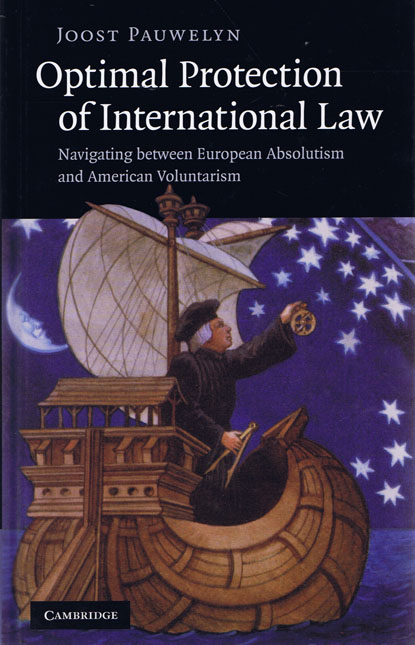
Assume, for a moment, that the necessary tools are available to induce or even force states to comply with international law. In such a state of affairs, how strongly should international law be protected? More specifically, how easy should it be to change international law? Should treaties be specifically performed or should states be given an opportunity to ‘pay their way out’? In the event of states violating their commitments, what kind of back-up enforcement or sanctions should be imposed? Joost Pauwelyn uses the distinction between liability rules, property protection and inalienable entitlements as a starting point for a new theory of variable protection of international law, placed at the intersection between ‘European absolutism’ and ‘American voluntarism’. Rather than undermining international law, variable protection takes the normativity of international law seriously and calibrates it to achieve maximum welfare and effectiveness at the lowest cost to contractual freedom and legitimacy.