
The eBooks we sell are sold as a single-user licence and are intended for the end user only.
The sale of some eBooks are restricted to certain countries. To alert you to such restrictions, please select the country of the billing address of your credit or debit card you wish to use for payment.
For further information see https://www.wildy.com/ebook-formats
Once the order is confirmed an e-mail will be sent to you to allow you to download the eBook. For UK purchases this will be automatic. For purchases outside the UK a member of staff will need to confirm the sale. (Staff are available to do this during normal business hours, Mon-Fri 8:30-17:00 UK time)
All eBooks are supplied firm sale and cannot be returned. If you believe there is a fault with your eBook then contact us on ebooks@wildy.com and we will help in resolving the issue. This does not affect your statutory rights.
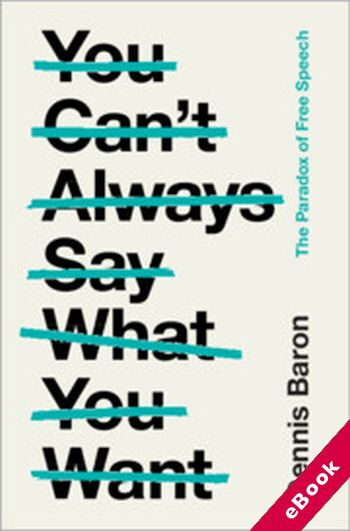
The freedom to think what you want and to say what you think has always generated a pushback of regulation and censorship. This raises the thorny question: to what extent does free speech actually endanger speech protection? This book examines today's calls for speech legislation and places it into historical perspective, using fascinating examples from the past 200 years, to explain the historical context of laws regulating speech. Over time, the freedom to speak has grown, the ways in which we communicate have evolved due to technology, and our ideas about speech protection have been challenged as a result. Now more than ever, we are living in a free speech paradox: powerful speakers weaponize their rights in order to silence those less-powerful speakers who oppose them. By understanding how this situation has developed, we can stand up to these threats to the freedom of speech.










