
The eBooks we sell are sold as a single-user licence and are intended for the end user only.
The sale of some eBooks are restricted to certain countries. To alert you to such restrictions, please select the country of the billing address of your credit or debit card you wish to use for payment.
For further information see https://www.wildy.com/ebook-formats
Once the order is confirmed an e-mail will be sent to you to allow you to download the eBook. For UK purchases this will be automatic. For purchases outside the UK a member of staff will need to confirm the sale. (Staff are available to do this during normal business hours, Mon-Fri 8:30-17:00 UK time)
All eBooks are supplied firm sale and cannot be returned. If you believe there is a fault with your eBook then contact us on ebooks@wildy.com and we will help in resolving the issue. This does not affect your statutory rights.
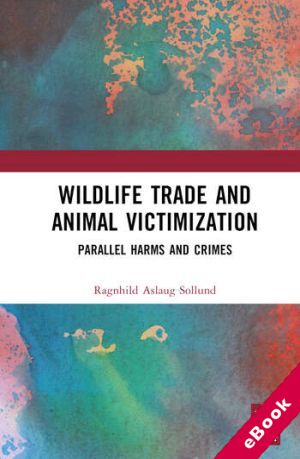
This book examines the trade in nonhuman animals of endangered wild species. Wildlife trafficking is, after loss of habitat, the biggest threat to many animal species and biodiversity. This book draws on extensive empirical data from Norway to highlight the parallel legal and illegal markets, the motivation of traders, animal victimization, weaknesses of existing regulatory frameworks, and difficulties of legal enforcement. As a long-time signatory of the Convention on International Trade in Endangered Species of Wild Fauna and Flora, and a rich consumer country, Norway provides the perfect case for investigating the consequences of legalising or banning wildlife trade. The work applies a green, non speciesist theoretical perspective to analyse empirical data covering approximately 350 cases as well as qualitative interviews with law enforcement agencies and confiscation reports from Customs.
The book will be an essential resource for researchers and academics in green criminology, global criminology, environmental law and environmental studies. It will also be of value to professionals working in wildlife and animal welfare policies and enforcement, such as governmental and non-governmental organizations.










