
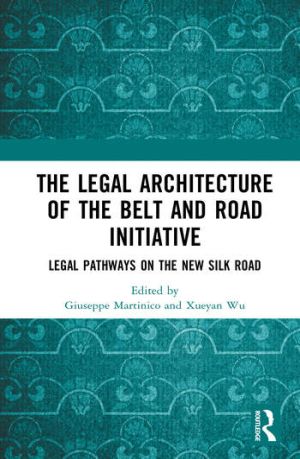
This book provides a timely and multidisciplinary assessment of the Belt and Road Initiative (BRI). Bringing together leading scholars from China, Europe, and beyond, the volume explores how the BRI has evolved from an infrastructure-driven project into a broader framework of global governance. Through comparative legal analysis, it examines key issues including international economic law, soft law, dispute resolution, sustainability, technology governance, judicial cooperation, and cultural heritage protection.
By combining European, Chinese, and other international perspectives, the volume offers a uniquely balanced analysis of one of the most influential global initiatives of the twenty-first century. Readers will gain both a comprehensive understanding of the BRI's legal and institutional development and valuable insights into its broader implications for international cooperation, global governance, and the evolving international legal order.
The book will be of interest to scholars and graduate students in international law, comparative public law, international economic law, Chinese law, and global governance, as well as policymakers, legal practitioners, and think tanks working on international trade and investment.










