Wildy Logo
(020) 7242 5778
enquiries@wildy.com

Book of the Month

Cover of 4 Stone Buildings on Liquidators

4 Stone Buildings on Liquidators

Edited by: Andrew de Mestre KC
Price: £289.00

Effective Written Advocacy:
A Guide for
Practitioners 3rd


 Andrew Goodman


Welcome to Wildys

Watch


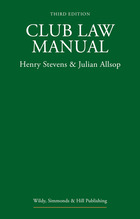
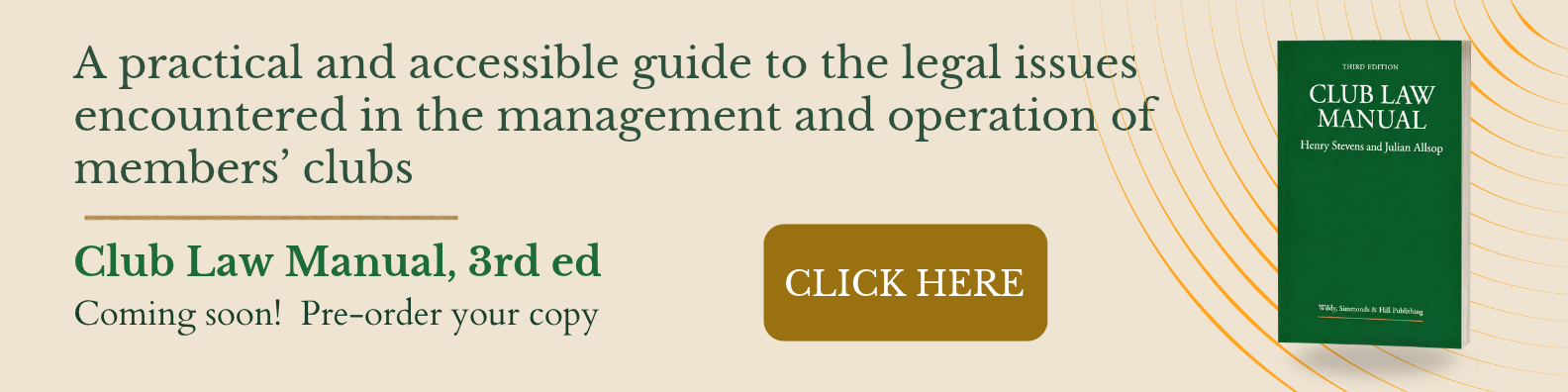
Club Law Manual
3rd ed


 Henry Stevens
Julian Allsop


Offers for Newly Called Barristers & Students

Special Discounts for Newly Called & Students

Read More ...


Trademarks and Free Speech: Conflicts and Resolutions


ISBN13: 9781108723541
Published: January 2026
Publisher: Cambridge University Press
Country of Publication: UK
Format: Paperback
Price: £28.00


This is a Print On Demand Title.

The publisher will print a copy to fulfill your order. Books can take between 1 to 3 weeks. Looseleaf titles between 1 to 2 weeks.

This book explores how trademark laws can conflict with the right to freedom of expression and proposes a framework for evaluating free speech challenges to trademark registration and enforcement laws. It also explains why granting trademark rights in informational terms, political messages, widely used phrases, decorative product features, and other language and designs with substantial pre-existing communicative value can harm free expression and fair competition. Lisa P. Ramsey encourages governments to not register or protect broad trademark rights in these types of inherently valuable expression. She also recommends that trademark statutes explicitly allow certain informational, expressive, and decorative fair uses of another's trademark, and proposes other speech-protective and pro-competitive reforms of trademark law for consideration by legislatures, courts, and trademark offices in the United States, Europe, and other countries.

Subjects:
Intellectual Property Law
Contents:
1. Introduction
2. Conflicts between trademark laws and the free speech right due to registration of expression with substantial inherent value
3. Trademark laws implicate the right to freedom of expression, but how do we determine when trademark and free speech rights conflict?
4. A free speech framework for trademark law
5. Do current trademark registration laws adequately protect expressive values and fair competition?
6. Do current trademark enforcement laws adequately protect expressive values and fair competition?
7. How the concept of inherently valuable expression can help inform potential reforms of trademark law
8. Proposed speech-protective and pro-competitive Reforms of trademark registration and enforcement laws
9. Conclusion