We are currently having issues in fulfilling eBook orders - we expect the situation will resolve shortly and apologise for any inconvenience caused.
The eBooks we sell are sold as a single-user licence and are intended for the end user only.
The sale of some eBooks are restricted to certain countries. To alert you to such restrictions, please select the country of the billing address of your credit or debit card you wish to use for payment.
For further information see https://www.wildy.com/ebook-formats
Once the order is confirmed an e-mail will be sent to you to allow you to download the eBook. For UK purchases this will be automatic. For purchases outside the UK a member of staff will need to confirm the sale. (Staff are available to do this during normal business hours, Mon-Fri 8:30-17:00 UK time)
All eBooks are supplied firm sale and cannot be returned. If you believe there is a fault with your eBook then contact us on ebooks@wildy.com and we will help in resolving the issue. This does not affect your statutory rights.
Due to a technical issue some ebooks are not available to order.
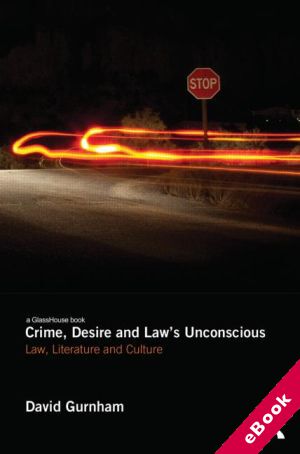
Sex and sexuality, and the dangers associated with them, provoke contradictory and ambivalent reactions including fascination, fear, revulsion and excitement. Such ambivalences are well-known stimulants of both creative and juridical activity, which in different ways respond to the problems of people whose sexual behaviors fail to conform to acceptable norms and limits. It is such breaches of acceptability - regarding reckless disease transmission, sexual exploitation and consensual sadomasochism - and the reactions they provoke, that are the core themes of this book. By way of a novel application of theory that draws from psychoanalysis, post-colonialism and feminism, the book examines ways in which the creation of danger and the infliction of harm through sexual behavior are responded to in the criminal courts, in literature and in the wider culture. Presenting analysis of legal judgments in England, Australia, Canada and the United States, and literary texts by Shakespeare, the Marquis de Sade, J.G. Ballard and Susanna Moore, the book argues that punitive and condemnatory reactions to illegal and dangerous sexual practices repress conflicting and troubling unconscious desires.