The eBooks we sell are sold as a single-user licence and are intended for the end user only.
The sale of some eBooks are restricted to certain countries. To alert you to such restrictions, please select the country of the billing address of your credit or debit card you wish to use for payment.
For further information see https://www.wildy.com/ebook-formats
Once the order is confirmed an e-mail will be sent to you to allow you to download the eBook. For UK purchases this will be automatic. For purchases outside the UK a member of staff will need to confirm the sale. (Staff are available to do this during normal business hours, Mon-Fri 8:30-17:00 UK time)
All eBooks are supplied firm sale and cannot be returned. If you believe there is a fault with your eBook then contact us on ebooks@wildy.com and we will help in resolving the issue. This does not affect your statutory rights.
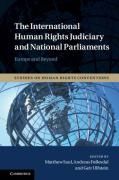
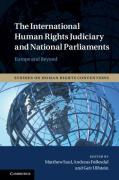
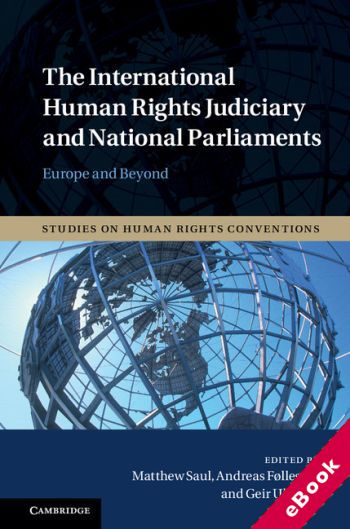
The emerging international human rights judiciary (IHRJ) threatens national democratic processes and 'hollows out' the scope of domestic and democratic decision-making, some argue. This new analysis confronts this head on by examining the interplay between national parliaments and the IHRJ, proposing that it advances parliament's efforts.
Taking Europe and the European Court of Human Rights as its focus - drawing on theory, doctrine and practice - the authors answer a series of key questions. What role should parliaments play in realising human rights? Which factors influence the effects of the IHRJ on national parliaments' efforts? How can the IHRJ adjust its influence on parliamentary process? And what triggers the backlash against the IHRJ from parliaments and when? Here, the authors lay foundations for better informed scholarship and legal practice in the future, as well as a better understanding of how to improve the effectiveness and validity of the IHRJ.