
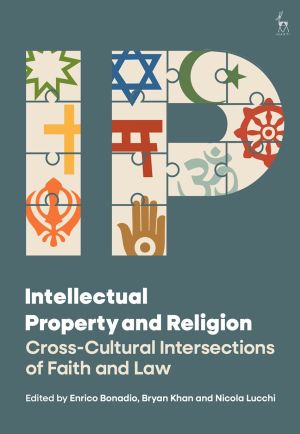
This groundbreaking book explores the dynamic intersections between religion as a cultural-theological construct and intellectual property as the legal framework governing creativity and innovation.
Featuring contributions from over 30 leading scholars, the book examines how IP law regulates religious subject matter-sacred symbols, texts, music-and how religious traditions shape and are shaped by contemporary issues in IP law. From Islamic perspectives on trademark law to Jewish analyses of copyright and Confucian views on IP law, the book provides a multicultural lens on the interplay between faith, law, and commerce.
A critical resource for IP scholars, ethnographers, theologians, and policymakers, this book offers fresh insights into the global and interdisciplinary dimensions of intellectual property, enriching both academic discourse and practice.











