
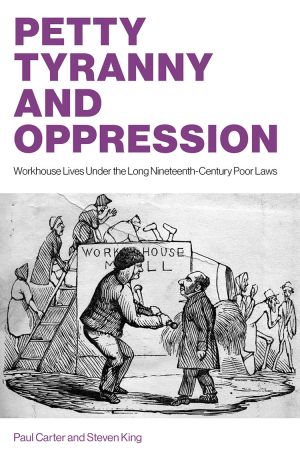
This book focuses on one of the most contentious areas of English and Welsh poor law history: the exercise of petty tyranny by officials on the workhouse poor. The book examines the period from the late-eighteenth-century crisis of the Old Poor Law, through the adoption of the New Poor Law reform in 1834, the loosening of the ‘principles of 1834’ in the 1890s, and on past the early-twentieth-century Liberal reforms, to the eve of World War I. This long chronological sweep thus examines the Old and New Poor Laws together as experienced by generations of pauper inmates.
For the first time the notion of ‘tyranny’ and its various typologies within the historical workhouse estate is set out clearly and tested against archival evidence of neglect, beatings, refusal to supply adequate relief, the denial of medical aid, and much more. While other work has centred on discipline and scandal, we instead examine the everyday experience of tyranny in the round – the potential for which was a central part of workhouse life and fed into the common fear and loathing of ‘the House’ – and the ways that it might have been contained and resisted.
The book draws on a wide archival base including pamphlets; diaries, overseers’ accounts and vestry minutes; the records of the central poor law authority; orders and circulars; punishment books; and local, regional and national newspapers. This collective archive contains many thousands of accounts of tyrannical behaviours throughout the whole of England and Wales and across the whole period.










