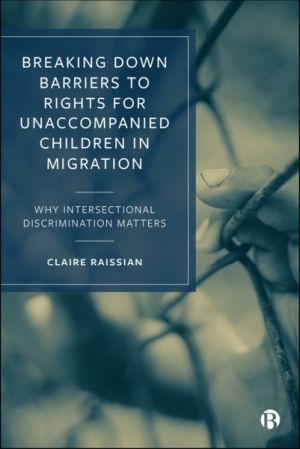
Although there is no precise figure reflecting the number of children on the move globally, almost 400,000 unaccompanied children applied for asylum in Europe between 2014 and 2024. As ‘foreign’ children without families or caregivers, this group are often racialised and dehumanised and face unique challenges to accessing their rights in receiving states, particularly since 2015.
This book examines the situation of unaccompanied children in reception facilities and border posts in the European Union, exploring the discriminatory barriers to rights that are erected by the EU and its member states when taking a migration management, rather than child rights-based approach to reception for this group. Chapters explore structural issues, arguing that intersectional discrimination is behind the failure to implement fundamental human rights for unaccompanied migrant children in the region, addressing one of the most important contemporary issues in migration and refugee law today.