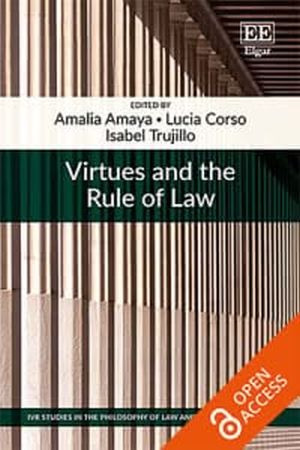
Even the most carefully designed legal rules, procedures, and institutions cannot function effectively without the appropriate engagement of the individuals who operate within them. Contributing to contemporary debates, this authoritative book examines the subjective dimension of the rule of law and the dispositions that can enhance it, illuminating its potential and limits for promoting a resilient rule-of-law culture.
Contributors explore the interplay between virtue and the rule of law from a historical and multicultural perspective, outlining how the rule of law is under strain in many countries, not only in those considered rogue or authoritarian. They propose that it is possible to connect the institutional and procedural dimension of the law with the abilities and virtues of those involved in its practice. The book concludes by sketching a future in which a virtue-ethical approach can effectively support and enrich legal practice, inviting readers to reconsider the rule of law as a living practice sustained by virtues, judgment, and responsibility.
Virtues and the Rule of Law is a vital resource for scholars and students of legal philosophy, international law, and legal theory. Constitutional lawyers and government policymakers will also benefit from its comprehensive scope and future-oriented recommendations.