
The eBooks we sell are sold as a single-user licence and are intended for the end user only.
The sale of some eBooks are restricted to certain countries. To alert you to such restrictions, please select the country of the billing address of your credit or debit card you wish to use for payment.
For further information see https://www.wildy.com/ebook-formats
Once the order is confirmed an e-mail will be sent to you to allow you to download the eBook. For UK purchases this will be automatic. For purchases outside the UK a member of staff will need to confirm the sale. (Staff are available to do this during normal business hours, Mon-Fri 8:30-17:00 UK time)
All eBooks are supplied firm sale and cannot be returned. If you believe there is a fault with your eBook then contact us on ebooks@wildy.com and we will help in resolving the issue. This does not affect your statutory rights.
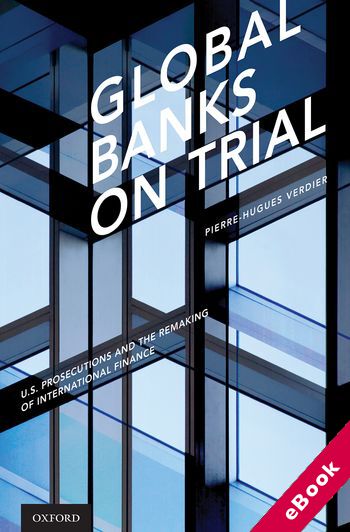
In the years since the 2008 financial crisis, U.S. federal prosecutors have brought dozens of criminal cases against the world's most powerful banks, charging them with helping their customers evade taxes, manipulating financial indices, evading sanctions, and laundering money. To settle these cases, global banks like UBS, Barclays, HSBC, and BNP Paribas paid tens of billions of dollars in fines. They also agreed to extensive internal reforms, hiring hundreds of compliance officers, spending billions on new systems, and installing independent corporate monitors. In effect, they agreed to become worldwide enforcers of U.S. laws and policies, including financial sanctions—sometimes in spite of their own governments' protests.
This book examines the U.S. enforcement campaign against global banks across four areas: benchmark manipulation, tax evasion, sanctions violations, and sovereign debt. It shows that U.S. prosecutors have unilaterally carved out a new role as global bank regulators, heralding a fundamental shift in how international finance is overseen. Their ability to do so stems from U.S. control over vital hubs of the international financial system, where they can threaten global banks with exclusion. In some areas, these unilateral U.S. actions have ushered in important multilateral reforms, such as the rise of automatic tax information exchange and better regulated financial indices. In other areas, such as financial sanctions, unilateralism has attracted protests from other states and attempts to bypass U.S.-based financial infrastructure, which could undermine the country's power.











