
The eBooks we sell are sold as a single-user licence and are intended for the end user only.
The sale of some eBooks are restricted to certain countries. To alert you to such restrictions, please select the country of the billing address of your credit or debit card you wish to use for payment.
For further information see https://www.wildy.com/ebook-formats
Once the order is confirmed an e-mail will be sent to you to allow you to download the eBook. For UK purchases this will be automatic. For purchases outside the UK a member of staff will need to confirm the sale. (Staff are available to do this during normal business hours, Mon-Fri 8:30-17:00 UK time)
All eBooks are supplied firm sale and cannot be returned. If you believe there is a fault with your eBook then contact us on ebooks@wildy.com and we will help in resolving the issue. This does not affect your statutory rights.
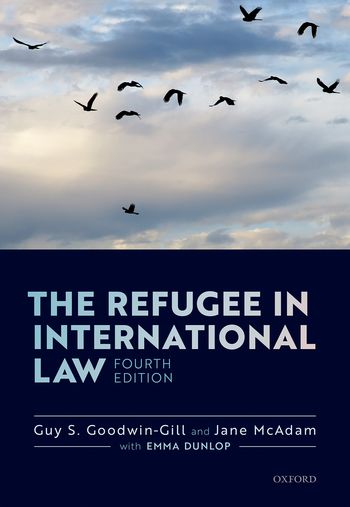
Millions of people are today forced to flee their homes as a result of conflict, systematic discrimination, or other forms of persecution. The core instruments on which they must rely to secure international protection are the 1951 Convention Relating to the Status of Refugees and its 1967 Protocol. This book, the leading text in the field, examines key challenges to the Convention such as the status of refugees, applications for asylum, and the international and domestic standards of protection.
The situation of refugees is one of the most pressing and urgent problems facing the international community and refugee law has grown in recent years to a subject of global importance. In this long-awaited fourth edition each chapter has been thoroughly revised and updated and every issue, old and new, has received fresh analysis. The books includes: analysis of internally displaced persons; so-called preventive protection; access to refugees; safety of refugees and relief personnel; the situation of refugee women and children; a detailed examination of the role of the UNHCR and the Palestinian situation; and an assessment of the protection possibilities (or lack of them) in the European Convention on Human Rights. This new edition has been expanded with coverage of forced migration and displacement as a result of disasters and climate change. It is once again an unmissable reference work for practitioners and students in the field.










