
The eBooks we sell are sold as a single-user licence and are intended for the end user only.
The sale of some eBooks are restricted to certain countries. To alert you to such restrictions, please select the country of the billing address of your credit or debit card you wish to use for payment.
For further information see https://www.wildy.com/ebook-formats
Once the order is confirmed an e-mail will be sent to you to allow you to download the eBook. For UK purchases this will be automatic. For purchases outside the UK a member of staff will need to confirm the sale. (Staff are available to do this during normal business hours, Mon-Fri 8:30-17:00 UK time)
All eBooks are supplied firm sale and cannot be returned. If you believe there is a fault with your eBook then contact us on ebooks@wildy.com and we will help in resolving the issue. This does not affect your statutory rights.
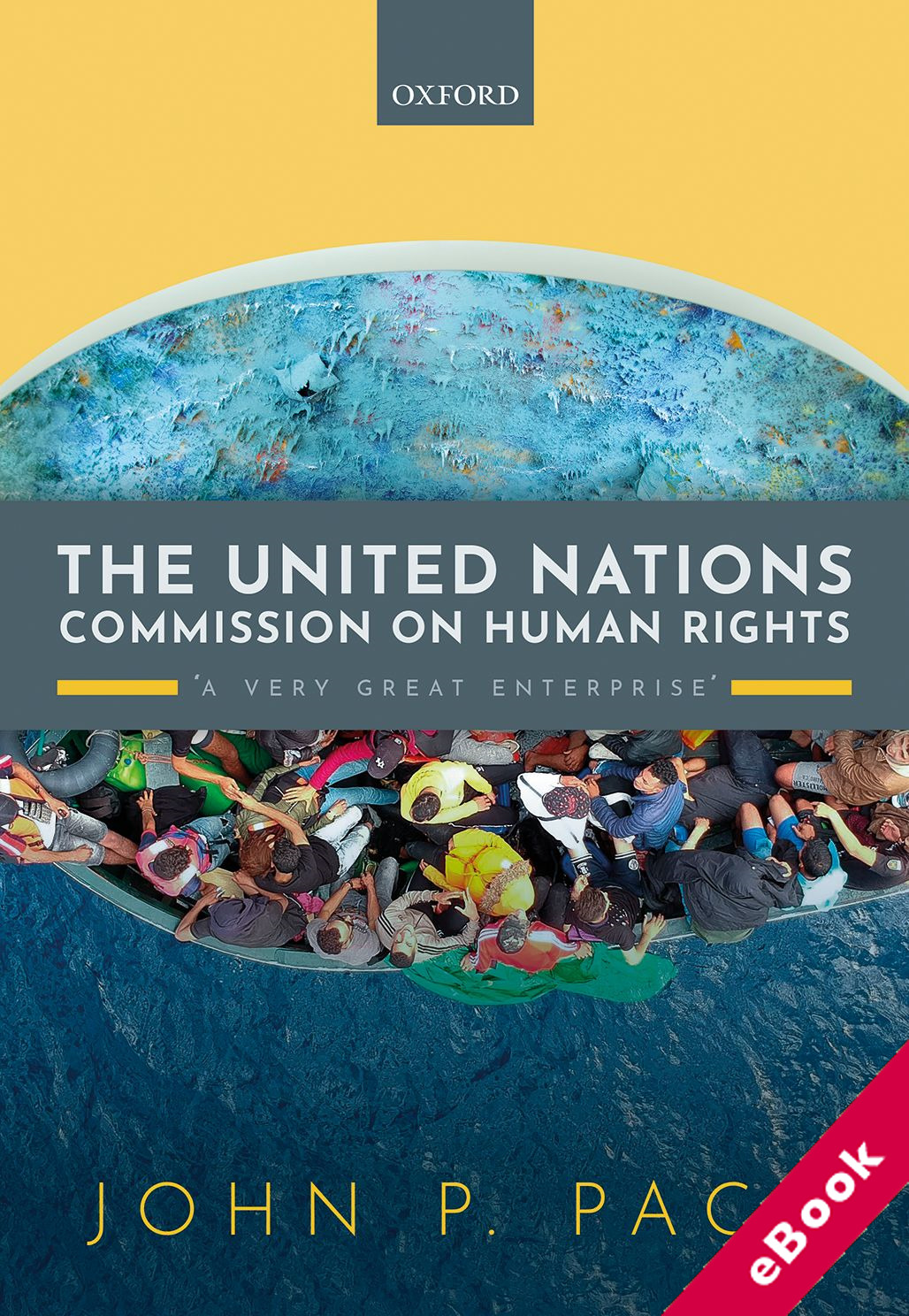
In this book, John P. Pace provides the most complete account to-date of the United Nations human rights programme, both in substance and in chronological breadth. Pace worked at the heart of this programme for over thirty years, including as the Secretary of the Commission on Human Rights, and Coordinator of the World Conference on Human Rights, which took place in Vienna in 1993.
He traces the issues taken up by the Commission after its launch in 1946, and the methods undertaken to enhance absorption and domestication of international human rights standards. He lays out the special procedures carried out by the UN, and the emergence of international human rights law. The book then turns to the establishment of the Office of the High Commissioner for Human Rights and the mainstreaming of human rights across the United Nations system, eventually leading to the establishment of the Human Rights Council to replace the Commission in 2006.
Many of the problems we face today, including conflict, poverty, and environmental issues, have their roots in human rights problems. This book identifies what has been done at the international level in the past, and points towards what still needs to be done for the future.











