
Our email services are slowly returning to normal and we will reply as and when they are received although some may still be delayed. If your enquiry is urgent you can still call the shop on (020) 7242 5778 (08.30-17:00).
Last updated 13/11/26 15:30 GMT
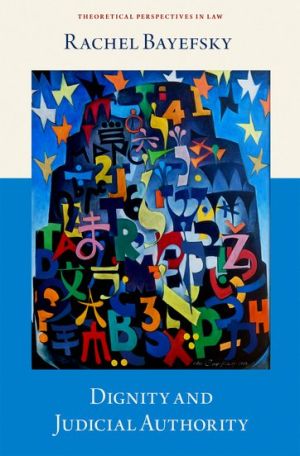
Human rights movements and organizations all over the world cite the pursuit and preservation of dignity as one of their goals, but the legal implications of this term are highly contested. In Dignity and Judicial Authority, Rachel Bayefsky offers a theory of dignity that emphasizes respect for status, non-domination, and control over self-presentation to others. The book explains how US courts can recognize the loss of dignity as a legally actionable harm and provide remedies for this harm. In applying these ideas, the book explores a host of corresponding legal topics, including constitutional standing doctrine, the “dignitary torts,” and court-mandated apologies. It demonstrates the connections between dignity and subjects such as jurisdiction and remedies, which help to delineate the bounds of judicial authority.
This inquiry sheds light not only on the nature of dignity, but also on the power of courts and their proper functions in a constitutional democracy. How can judges decide whether dignity has been violated, especially when these decisions risk embroiling them in contentious social disputes? Will accepting dignitary claims burst open the proverbial “floodgates of litigation”? Through theoretical analysis and detailed doctrinal discussion, Bayefsky explains how courts can integrate dignity into legal determinations in a thoughtful and principled manner.
Exploring the subject from theoretical and practical perspectives, Dignity and Judicial Authority presents a cogent argument for when and how courts should use their powers to protect and preserve human dignity.










