
Our email services are slowly returning to normal and we will reply as and when they are received although some may still be delayed. If your enquiry is urgent you can still call the shop on (020) 7242 5778 (08.30-17:00).
Last updated 13/11/26 15:30 GMT
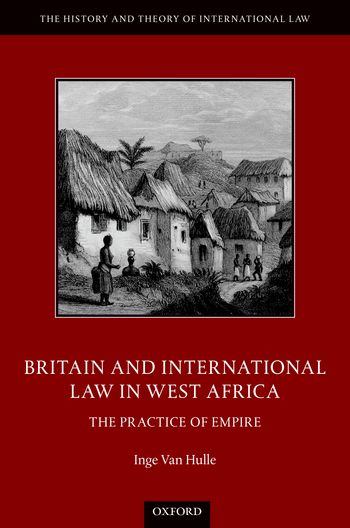
Africa often remains neglected in studies that discuss the historical relationship between international law and imperialism during the nineteenth century. When it does feature, focus tends to be on the Scramble for Africa, and the treaties concluded between European powers and African polities in which sovereignty and territory were ceded. Drawing on a wide range of archival material, Inge Van Hulle brings a fresh new perspective to this traditional narrative. She reviews the use and creation of legal instruments that expanded or delineated the boundaries between British jurisdiction and African communities in West Africa, and uncovers the practicality and flexibility with which international legal discourse was employed in imperial contexts. This legal experimentation went beyond treaties of cession, and also encompassed commercial treaties, the abolition of the slave trade, extraterritoriality, and the use of force. The book argues that, by the 1880s, the legal techniques that were fashioned in the language of international law in West Africa had largely developed their own substantive characteristics. Legal ordering was not done in reference to adjudication before Western courts or the writings of Western lawyers, but in reference to what was deemed politically expedient and practically feasible by imperial agents for the preservation of social peace, commercial interaction, and humanitarian agendas.










