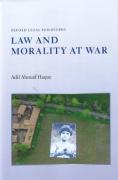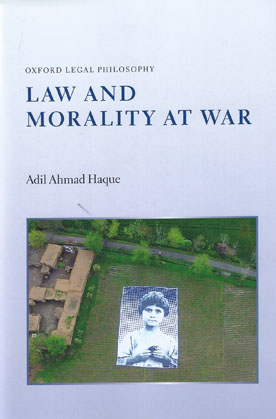
The laws are not silent in war, but what should they say? What is the moral function of the law of armed conflict? Should the law protect civilians who do not fight but help those who do? Should the law protect soldiers who perform non-combat functions or who may be safely captured?
How certain should a soldier be that an individual is a combatant rather than a civilian before using lethal force? What risks should soldiers take on themselves to avoid harming civilians? When do inaccurate weapons become unlawfully indiscriminate? When does 'collateral damage' to civilians become unlawfully disproportionate? Should civilians lose their legal rights by serving, voluntarily or involuntarily, as human shields? Finally, when should killing civilians constitute a war crime?
These are the questions that Law and Morality at War answers, contributing to a cutting-edge international debate. Drawing on the concepts and methods of contemporary moral and legal philosophy, the book develops a normative framework within which the laws of war and international criminal law can be evaluated, criticized, and reformed.
While several philosophical works critically examine the moral status of civilians and combatants, this book fills a gap, offering both an account of the laws of war and war crimes, and proposing how the law could be improved from a moral point of view. Finally, it explores when, if ever, the emotional pressures under which soldiers act should partially or wholly excuse their wrongful actions.