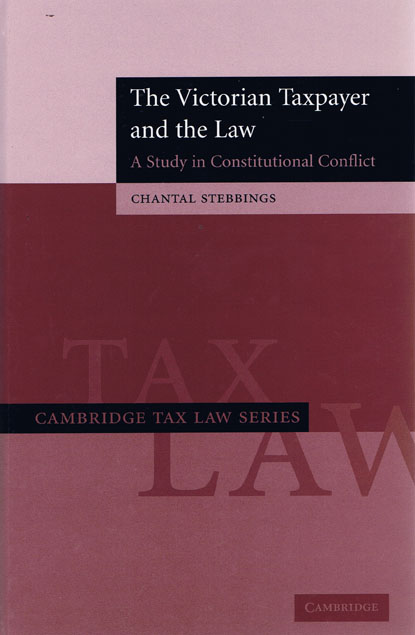
The central element of the taxpayer’s relationship with the law was the protection it afforded to ensure only the correct amount of tax was paid, that it was legally levied and justly administered. These legal safeguards consisted of the fundamental constitutional provision that all taxes had to be consented to in Parliament, local tax administration, and a power to appeal to specialist tribunals and the courts.
The book explains how these legal safeguards were established and how they were affected by changing social, economic and political conditions. They were found to be restrictive and inadequate, and were undermined by the increasing dominance of the executive. Though they were significantly recast, they were not destroyed. They proved flexible and robust, and the challenge they faced in Victorian England revealed that the underlying, pervasive constitutional principle of consent from which they drew their legitimacy provided an enduring protection for the taxpayer.