
The eBooks we sell are sold as a single-user licence and are intended for the end user only.
The sale of some eBooks are restricted to certain countries. To alert you to such restrictions, please select the country of the billing address of your credit or debit card you wish to use for payment.
For further information see https://www.wildy.com/ebook-formats
Once the order is confirmed an e-mail will be sent to you to allow you to download the eBook. For UK purchases this will be automatic. For purchases outside the UK a member of staff will need to confirm the sale. (Staff are available to do this during normal business hours, Mon-Fri 8:30-17:00 UK time)
All eBooks are supplied firm sale and cannot be returned. If you believe there is a fault with your eBook then contact us on ebooks@wildy.com and we will help in resolving the issue. This does not affect your statutory rights.
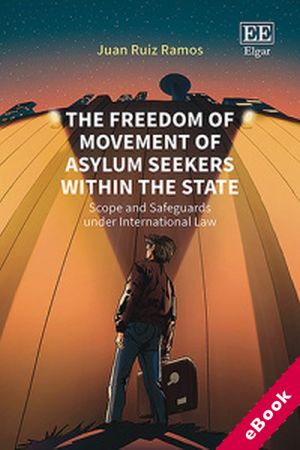
This insightful book discusses the predicament of asylum seekers across European states and the reception policies that constrain their movements. Juan Ruiz Ramos argues that, even when these policies do not amount to detention, they interfere with an often neglected right: the freedom of movement within the State.
The author approaches this crucial issue through the lens of migration exceptionalism, illustrating how international law establishes lower human rights standards in the context of migration than in other circumstances. He outlines the complexities surrounding the right to freedom of movement for asylum seekers, as it only applies to those ‘lawfully within’ a country. The book analyses this right from three different angles: the travaux préparatoires of various international instruments, the personal scope of the right and the safeguards that it provides. It further assesses legal tools and case law at the universal level, such as the Refugee Convention, and at the regional level, including the European Court of Human Rights.
Students and scholars of human rights and public international law will greatly benefit from this incisive book. It is also a vital resource for policymakers, lawyers and campaigners working in refugee law, as well as practitioners in NGOs and institutions that support refugee and migrant rights.











