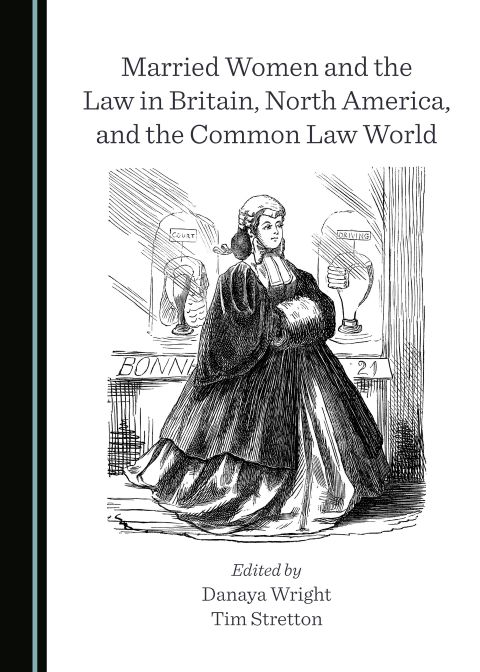
Under English common law, the rules of coverture removed married women’s rights to control property and act independently under criminal as well as non-criminal law. This volume of original research draws on examples from the medieval period to the present to reveal how married women experienced and negotiated legal incapacity. Ranging from England and the United States to the Māori experience of colonial New Zealand, contributors explore gaps between coverture in principle and in practice. These became visible when married women sought to run businesses on their own or had to support themselves if they were deserted, separated or divorced. Even after statutes extended the availability of divorce and granted married women some control over their own property, restrictions on their economic freedoms remained. This volume aims to show specialists and general readers how complicated coverture could be and the length of the shadow it has cast.