
The eBooks we sell are sold as a single-user licence and are intended for the end user only.
The sale of some eBooks are restricted to certain countries. To alert you to such restrictions, please select the country of the billing address of your credit or debit card you wish to use for payment.
For further information see https://www.wildy.com/ebook-formats
Once the order is confirmed an e-mail will be sent to you to allow you to download the eBook. For UK purchases this will be automatic. For purchases outside the UK a member of staff will need to confirm the sale. (Staff are available to do this during normal business hours, Mon-Fri 8:30-17:00 UK time)
All eBooks are supplied firm sale and cannot be returned. If you believe there is a fault with your eBook then contact us on ebooks@wildy.com and we will help in resolving the issue. This does not affect your statutory rights.
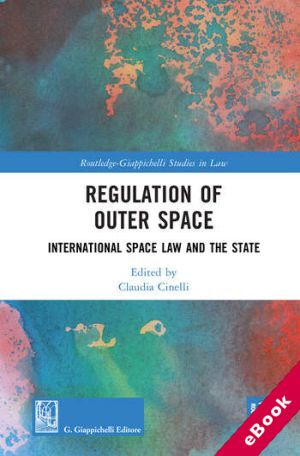
This edited book focuses on how States should regulate activities in space and explores strategies to advance State responsible behaviour to ensure sustainable use and effective protection of outer space for peaceful purposes.
The time seems ripe to bring international law into the space sustainability discourse. The concept of sustainable development was conceptualized by the 1987 Brundtland Report, Our Common Future. Today, as then, the overlap between the security, environmental and economic dimensions, including in terms of intra/inter-generational equity, is reflected within the current ‘new space’ era that is now ‘our common future’.
This edited book collects original theoretical and empirical contributions. It contributes to unpack the international outer space regulatory framework in the light of current trends and pressing challenges. This offers a unique perspective and guidance thus empowering regulatory strategies for stakeholders and end-users such as scholars, policy-makers, industry and society.










