The eBooks we sell are sold as a single-user licence and are intended for the end user only.
The sale of some eBooks are restricted to certain countries. To alert you to such restrictions, please select the country of the billing address of your credit or debit card you wish to use for payment.
For further information see https://www.wildy.com/ebook-formats
Once the order is confirmed an e-mail will be sent to you to allow you to download the eBook. For UK purchases this will be automatic. For purchases outside the UK a member of staff will need to confirm the sale. (Staff are available to do this during normal business hours, Mon-Fri 8:30-17:00 UK time)
All eBooks are supplied firm sale and cannot be returned. If you believe there is a fault with your eBook then contact us on ebooks@wildy.com and we will help in resolving the issue. This does not affect your statutory rights.
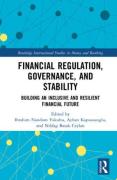
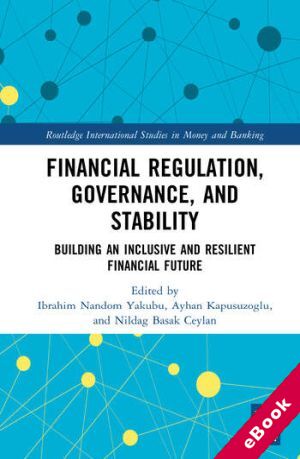
The COVID-19 pandemic significantly disrupted global financial systems, exposing vulnerabilities in regulatory frameworks and governance structures. As economies struggled to recover, it became clear that new approaches were needed to ensure stability and mitigate future risks. In addition, the crisis exacerbated existing inequalities, highlighting the need for more inclusive financial systems that can serve all segments of society, particularly vulnerable populations. This book critically examines the evolution of financial regulation and governance in response to the challenges posed by the pandemic. It provides an in-depth analysis of how governments, financial institutions, and policymakers adapted to the unprecedented crisis, identifying key regulatory shifts and policy responses that have shaped the current financial environment. It explores strategies for enhancing stability, improving market oversight, and ensuring equitable access to financial services.
Further, it explores the role of RegTech, FinTech, and Central Bank Digital Currencies (CBDCs) in enhancing regulatory efficiency and promoting financial inclusion. The book synthesizes research across disciplines and presents case studies that highlight both successes and shortcomings in the global response to financial instability. Additionally, it offers insights into future trends, with a focus on fostering resilient, inclusive, and sustainable financial systems worldwide and emphasizes the importance of adaptive regulatory frameworks and collaborative efforts among stakeholders to address ongoing challenges in the post-COVID financial landscape.
This book is ideal for a broad audience, including policymakers, researchers, and financial industry professionals, as well as those interested in understanding the intersection of financial regulation, governance, and social equity in a post-pandemic world.