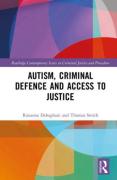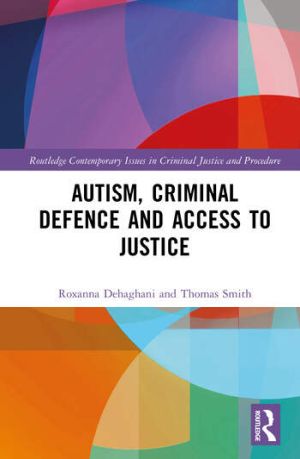
Interest in neurodivergence, particularly autism, and its impact on suspects and defendants in the criminal process has grown significantly in recent years, domestically and globally. A significant gap nevertheless remains in relation to (socio)-legal perspectives on the role and effectiveness of criminal defence lawyers for the Autistic accused. Drawing from diverse literature and original empirical insights, this book provides a timely and original contribution to the growing field by examining the theoretical, ethical, and practical dimensions of the relationship between criminal defence lawyers in England and Wales and their Autistic clients. It examines and critiques the effectiveness of criminal defence for the Autistic accused, articulating how lawyers have learnt about and conceptualise autism, the strategies that they employ when representing Autistic clients, and the practical limitations affecting their effectiveness. The book then explores the practical and conceptual possibilities that could secure an effective criminal defence for Autistic suspects and defendants, including through the philosophy of autism-centred criminal defence.
This work will be essential reading for those researching and studying in the areas of (socio)-legal studies, disability and neurodivergence studies, criminal justice, criminology, and psychology. It should also be of interest to criminal justice and legal professionals who engage with Autistic and other neurodivergent people through their work.