
Our email services are slowly returning to normal and we will reply as and when they are received although some may still be delayed. If your enquiry is urgent you can still call the shop on (020) 7242 5778 (08.30-17:00).
Last updated 13/11/26 15:30 GMT
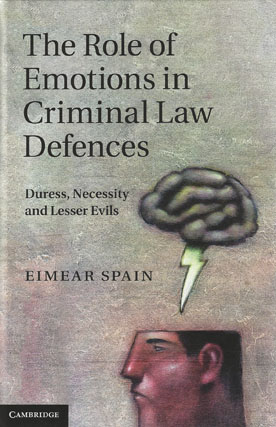
The law has struggled for many years with the problem of how to accommodate those who commit crimes due to threats or circumstances. The modern ambivalence surrounding the defences of duress and necessity has its origins in the legal past.
To date the defences of duress and necessity have been couched in terms such as compulsion, involuntariness and human frailty, resulting in the true nature of the defences being hidden. Psychologists and legal theorists have begun to re-examine the role of emotions in human action, including their effect upon behaviour and choice.
In light of recent breakthroughs, Eimear Spain considers how the emotions experienced by those who act due to threats, both human and natural in origin, should affect the attribution of criminal responsibility and punishment. The understanding of emotions extrapolated in this book points towards a new rationale for the existing defences of duress and necessity.










