
The eBooks we sell are sold as a single-user licence and are intended for the end user only.
The sale of some eBooks are restricted to certain countries. To alert you to such restrictions, please select the country of the billing address of your credit or debit card you wish to use for payment.
For further information see https://www.wildy.com/ebook-formats
Once the order is confirmed an e-mail will be sent to you to allow you to download the eBook. For UK purchases this will be automatic. For purchases outside the UK a member of staff will need to confirm the sale. (Staff are available to do this during normal business hours, Mon-Fri 8:30-17:00 UK time)
All eBooks are supplied firm sale and cannot be returned. If you believe there is a fault with your eBook then contact us on ebooks@wildy.com and we will help in resolving the issue. This does not affect your statutory rights.
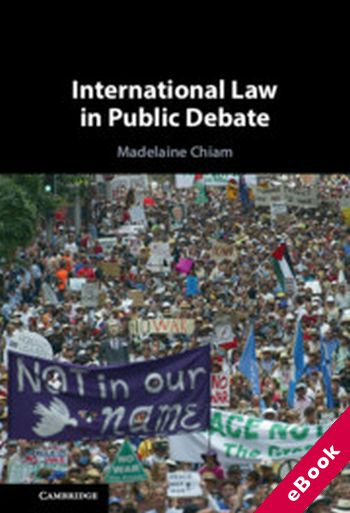
Public debates in the language of international law have occurred across the 20th and 21st centuries and have produced a popular form of international law that matters for international practice. This book analyses the people who used international law and how they used it in debates over Australia's participation in the 2003 Iraq War, the Vietnam War and the First World War. It examines texts such as newspapers, parliamentary debates, public protests and other expressions of public opinion. It argues that these interventions produced a form of international law that shares a vocabulary and grammar with the expert forms of that language and distinct competences in order to be persuasive. This longer history also illustrates a move from the use of international legal language as part of collective justifications to the use of international law as an autonomous justification for state action.










