
The eBooks we sell are sold as a single-user licence and are intended for the end user only.
The sale of some eBooks are restricted to certain countries. To alert you to such restrictions, please select the country of the billing address of your credit or debit card you wish to use for payment.
For further information see https://www.wildy.com/ebook-formats
Once the order is confirmed an e-mail will be sent to you to allow you to download the eBook. For UK purchases this will be automatic. For purchases outside the UK a member of staff will need to confirm the sale. (Staff are available to do this during normal business hours, Mon-Fri 8:30-17:00 UK time)
All eBooks are supplied firm sale and cannot be returned. If you believe there is a fault with your eBook then contact us on ebooks@wildy.com and we will help in resolving the issue. This does not affect your statutory rights.
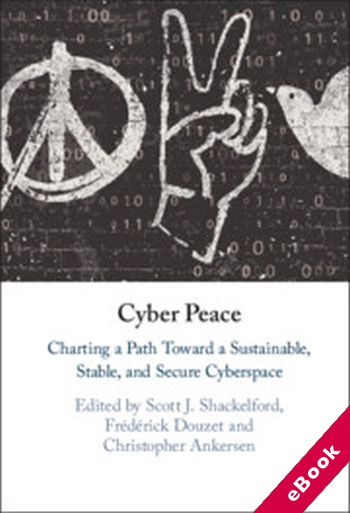
The international community is too often focused on responding to the latest cyber-attack instead of addressing the reality of pervasive and persistent cyber conflict. From ransomware against the city government of Baltimore to state-sponsored campaigns targeting electrical grids in Ukraine and the U.S., we seem to have relatively little bandwidth left over to ask what we can hope for in terms of 'peace' on the Internet, and how to get there. It's also important to identify the long-term implications for such pervasive cyber insecurity across the public and private sectors, and how they can be curtailed. This edited volume analyzes the history and evolution of cyber peace and reviews recent international efforts aimed at promoting it, providing recommendations for students, practitioners and policymakers seeking an understanding of the complexity of international law and international relations involved in cyber peace.











