The eBooks we sell are sold as a single-user licence and are intended for the end user only.
The sale of some eBooks are restricted to certain countries. To alert you to such restrictions, please select the country of the billing address of your credit or debit card you wish to use for payment.
For further information see https://www.wildy.com/ebook-formats
Once the order is confirmed an e-mail will be sent to you to allow you to download the eBook. For UK purchases this will be automatic. For purchases outside the UK a member of staff will need to confirm the sale. (Staff are available to do this during normal business hours, Mon-Fri 8:30-17:00 UK time)
All eBooks are supplied firm sale and cannot be returned. If you believe there is a fault with your eBook then contact us on ebooks@wildy.com and we will help in resolving the issue. This does not affect your statutory rights.
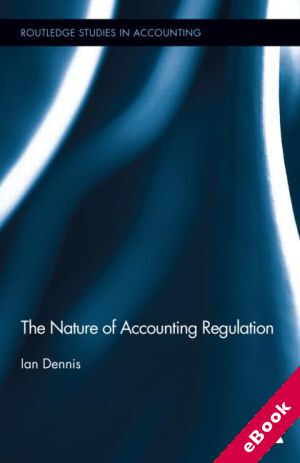
Accounting standards are an essential element in the regulation of current financial reporting. Standard setters promulgate such standards, and companies and professional accountants follow them in preparing financial reports. Although much has been written about the history of standard setting, the conceptual underpinnings of accounting standards, the process of setting them, and whether such standards should be 'rules-based' or 'principles-based,' there has been little written about the kind of thing they are. This book examines the nature of accounting standards and the very idea of a rule, of implementation guidance, and of the objectives that are included in them. It enables the reader to grasp the reasons for promulgating standards, the role of the conceptual framework in setting standards in an institutional context, and the kind of rules that are useful in regulating financial reporting. The insights provided by this examination are used to throw light on the distinction between 'principles-based' and 'rules-based' standards and on the nature of 'good' accounting standards.'