
The eBooks we sell are sold as a single-user licence and are intended for the end user only.
The sale of some eBooks are restricted to certain countries. To alert you to such restrictions, please select the country of the billing address of your credit or debit card you wish to use for payment.
For further information see https://www.wildy.com/ebook-formats
Once the order is confirmed an e-mail will be sent to you to allow you to download the eBook. For UK purchases this will be automatic. For purchases outside the UK a member of staff will need to confirm the sale. (Staff are available to do this during normal business hours, Mon-Fri 8:30-17:00 UK time)
All eBooks are supplied firm sale and cannot be returned. If you believe there is a fault with your eBook then contact us on ebooks@wildy.com and we will help in resolving the issue. This does not affect your statutory rights.
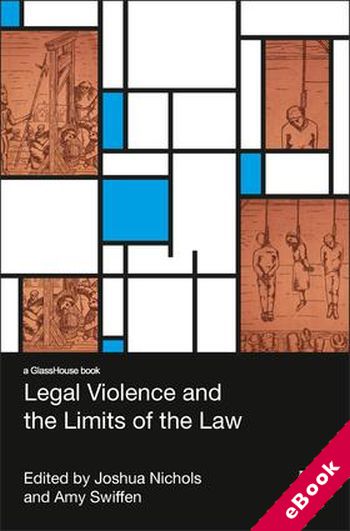
What is the meaning of punishment today? Where is the limit that separates it from the cruel and unusual? In legal discourse, the distinction between punishment and vengeance - punishment being the measured use of legally sanctioned violence and vengeance being a use of violence that has no measure - is expressed by the idea of 'cruel and unusual punishment'. This phrase was originally contained in the English Bill of Rights (1689). But it, and versions of it, have since found their way into numerous constitutions and declarations, including Article Five of the Universal Declaration of Human Rights, as well as the 8th Amendment to the United States Constitution.
Clearly, in order for the use of violence to be legitimate it must be subject to limitation. The difficulty is that the determination of this limit should be objective, but it is not; and its application in punitive practice is constituted by a host of extra-legal factors and social and political structures. It is this essential contestability of the limit which distinguishes punishment from violence that this book addresses. And, including contributions from a range of internationally renowned scholars, it offers a plurality of original and important responses to the contemporary question of the relationship between punishment and the limits of law.











