
The eBooks we sell are sold as a single-user licence and are intended for the end user only.
The sale of some eBooks are restricted to certain countries. To alert you to such restrictions, please select the country of the billing address of your credit or debit card you wish to use for payment.
For further information see https://www.wildy.com/ebook-formats
Once the order is confirmed an e-mail will be sent to you to allow you to download the eBook. For UK purchases this will be automatic. For purchases outside the UK a member of staff will need to confirm the sale. (Staff are available to do this during normal business hours, Mon-Fri 8:30-17:00 UK time)
All eBooks are supplied firm sale and cannot be returned. If you believe there is a fault with your eBook then contact us on ebooks@wildy.com and we will help in resolving the issue. This does not affect your statutory rights.
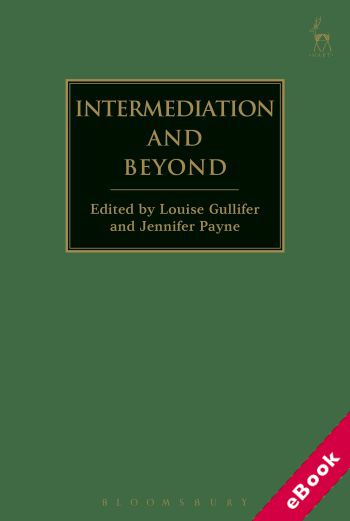
The global shift from securities being held directly by an investor to many securities being held via an intermediary raises important legal issues, including the impact on the rights of investors and the enforcement of those rights against intermediaries and issuers.
The cross-border nature of such issues adds another layer of complexity and reduces legal certainty. Against this, intermediation offers benefits for many investors including a reduction in costs and the facilitation of the use of securities in the collateral, repo and securities lending markets.
This book will cover a number of topics relating to intermediated securities including the history of intermediation, the benefits and problems in the current system of intermediated securities and how future legal and technological developments could help to resolve these problems while retaining the benefits of intermediation. It also examines the possible impact of FinTech on this area, in particular the potential for Blockchain to be used, the extent to which this will solve some of the difficulties that currently exist, and whether it will create new difficulties that will need to be overcome.
This important statement on the question of intermediation will appeal to corporate law academics, practitioners and to students of corporate law.










