The eBooks we sell are sold as a single-user licence and are intended for the end user only.
The sale of some eBooks are restricted to certain countries. To alert you to such restrictions, please select the country of the billing address of your credit or debit card you wish to use for payment.
For further information see https://www.wildy.com/ebook-formats
Once the order is confirmed an e-mail will be sent to you to allow you to download the eBook. For UK purchases this will be automatic. For purchases outside the UK a member of staff will need to confirm the sale. (Staff are available to do this during normal business hours, Mon-Fri 8:30-17:00 UK time)
All eBooks are supplied firm sale and cannot be returned. If you believe there is a fault with your eBook then contact us on ebooks@wildy.com and we will help in resolving the issue. This does not affect your statutory rights.
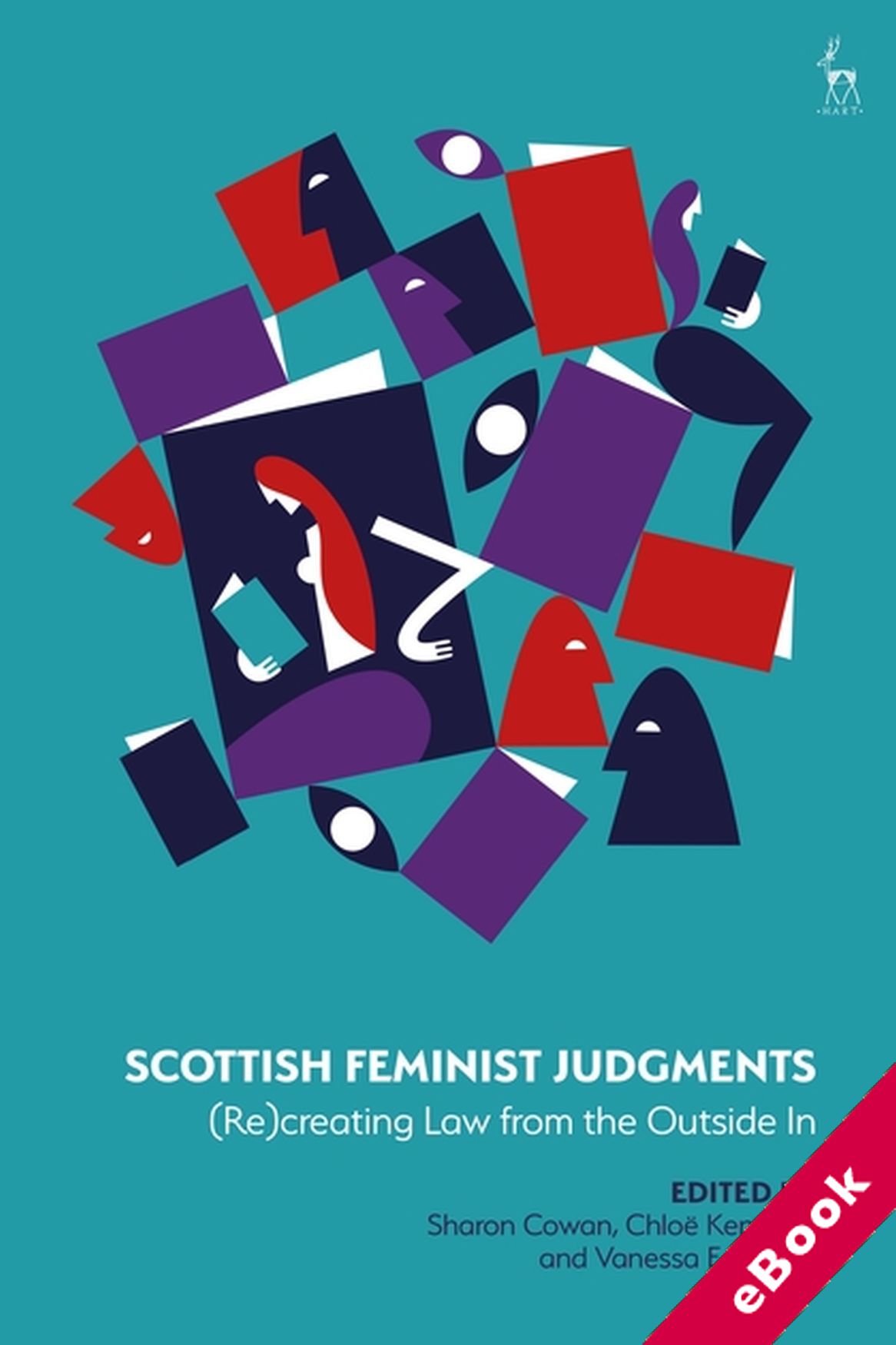
An innovative collaboration between academics, practitioners, activists and artists, this timely and provocative book re-writes 16 significant Scots law cases, spanning a range of substantive topics, from a feminist perspective. Exposing the power, politics and partiality reflected in the initial judgment, our feminist judges provide alternative accounts that bring gender equity concerns to the fore, whilst remaining bound by the facts and legal authorities encountered by the original court.
Paying particular attention to Scotland's distinctive national identity, fluctuating experiences of political sovereignty, and unique legal traditions and institutions, this book contributes in a distinctive register to the emerging dialogue amongst feminist judgment projects across the globe. Its judgments address concerns not only about gender equality, but also about the interplay between gender, class, national identity and citizenship in contemporary Scotland.
It will be of interest to academics, practitioners and students of Scots law, and policy-makers, as well as to scholars of feminist and critical theory, and law and gender, internationally. The book also showcases unique contributions from leading artists which, provoked by the enterprise of feminist judging, or by individual cases, offer a visceral and affective engagement with the legal.