
The eBooks we sell are sold as a single-user licence and are intended for the end user only.
The sale of some eBooks are restricted to certain countries. To alert you to such restrictions, please select the country of the billing address of your credit or debit card you wish to use for payment.
For further information see https://www.wildy.com/ebook-formats
Once the order is confirmed an e-mail will be sent to you to allow you to download the eBook. For UK purchases this will be automatic. For purchases outside the UK a member of staff will need to confirm the sale. (Staff are available to do this during normal business hours, Mon-Fri 8:30-17:00 UK time)
All eBooks are supplied firm sale and cannot be returned. If you believe there is a fault with your eBook then contact us on ebooks@wildy.com and we will help in resolving the issue. This does not affect your statutory rights.
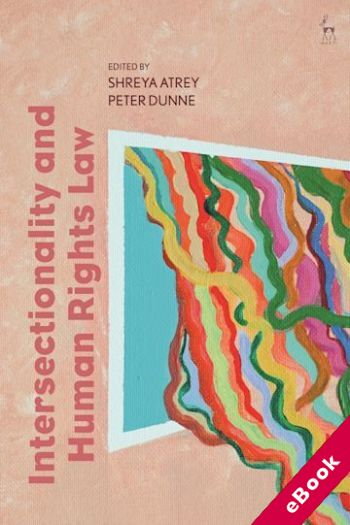
This collection of essays analyses how diversity in human identity and disadvantage affects the articulation, realisation, violation and enforcement of human rights.
The question arises from the realisation that people, who are severally and severely disadvantaged because of their race, religion, gender, age, disability, sexual orientation, class etc, often find themselves at the margins of human rights; their condition seldom improved and sometimes even worsened by the rights discourse. How does one make sense of this relationship between the complexity of people's disadvantage and violation of their human rights? Does the human rights discourse, based on its universal and common values, have tools, methods or theories to capture and respond to the difference in people's lived experience of rights? Can intersectionality help in that quest? This book seeks to inaugurate this line of inquiry.










