The eBooks we sell are sold as a single-user licence and are intended for the end user only.
The sale of some eBooks are restricted to certain countries. To alert you to such restrictions, please select the country of the billing address of your credit or debit card you wish to use for payment.
For further information see https://www.wildy.com/ebook-formats
Once the order is confirmed an e-mail will be sent to you to allow you to download the eBook. For UK purchases this will be automatic. For purchases outside the UK a member of staff will need to confirm the sale. (Staff are available to do this during normal business hours, Mon-Fri 8:30-17:00 UK time)
All eBooks are supplied firm sale and cannot be returned. If you believe there is a fault with your eBook then contact us on ebooks@wildy.com and we will help in resolving the issue. This does not affect your statutory rights.
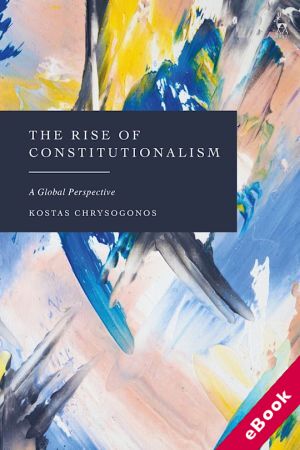
This book explores the historical, comparative and global dimensions of the constitutional phenomenon.
From the origins of constitutionalism to the diverse trajectories of North American and European constitutionalism, the book considers pivotal moments in the emergence and evolution of formal constitutions as the main structure of constitutional governance.
It presents a critical inquiry into the realities that lie beneath the surface of formal constitutional documents. From the struggles for democratic governance in Latin America to Asia's delicate balance between tradition and modernity and Africa's post-colonial arrangements, the book poses a critical query: amidst the promises of democratic ideals, do formal Constitutions always translate into effective governance? What are the lessons of 'facade' Constitutions on the tension between formal documents and the realities of governance?
It explores the past and present of constitutional governance in the first quarter of the 21st century and offers insights on the future of constitutionalism. By assessing the normative quality of Constitutions and exploring the intrinsic link between them and representation, it offers an understanding of the essence and trajectories of constitutional thought and practice. This book is a must-read for anyone fascinated by the enduring legacy and evolving nature of the constitutional phenomenon.