Wildy Logo
(020) 7242 5778
enquiries@wildy.com

Book of the Month

Cover of Constitutional Agency

Constitutional Agency

Price: £105.00

Planning Law:
A Practitioner's
Handbook 2nd ed


 William Webster, Robert Weatherley


Welcome to Wildys

Watch


Corporate Insolvency Practice:
Litigation, Procedure
and Precedents 3rd ed


 Mark Watson-Gandy


Offers for Newly Called Barristers & Students

Special Discounts for Newly Called & Students

Read More ...


Secondhand & Out of Print

Browse Secondhand Online

Read More...


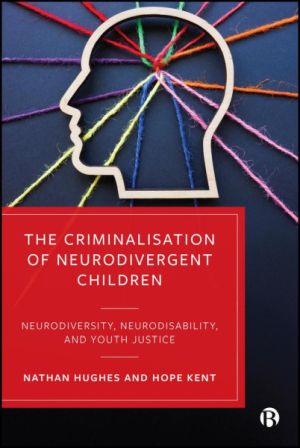
The Criminalisation of Neurodivergent Children: Neurodiversity, Neurodisability, and Youth Justice


ISBN13: 9781529254716
To be Published: June 2027
Publisher: Bristol University Press
Country of Publication: UK
Format: Hardback
Price: £85.00


Children with neurodevelopmental conditions - such as ADHD, autism or acquired brain injury - are overrepresented in youth justice systems worldwide. Through its ‘spiral model’, this book explains how failures to accommodate neurodiversity across education, health, social care and justice turn difference and unmet need into vulnerability to criminalisation and draw children ever deeper into systems of control.

Crucially, the book also maps how this spiral can be interrupted and reversed, calling for a fundamental transformation in how public services understand and respond to neurodivergent children - placing recognition, support and rights at the heart of a radically different approach.


Subjects:
Criminology
Contents:
1. Introduction: Neurodisability, Children’s Rights and Youth Justice
2. Neurodisability, Neurodiversity and the Language of Youth Justice
3. Evidencing Over-Representation: Prevalence, Identification and Assessment in Youth Justice Systems
4. Introducing the Spiral Model of the Criminalisation of Neurodisability
5. Functional Vulnerability: Impairment, Context and the Conditions for Harm
6. Unmet Need, Institutional Response and Pathways to Criminalisation
7. Disabling Barriers to Access to Justice Experiences of Police and Court Processes
8. The Efficacy of Community and Custodial Interventions for Children With Neurodisability
9. From Recognition to Reform: Interrupting the Criminalisation of Neurodivergent Children