
The eBooks we sell are sold as a single-user licence and are intended for the end user only.
The sale of some eBooks are restricted to certain countries. To alert you to such restrictions, please select the country of the billing address of your credit or debit card you wish to use for payment.
For further information see https://www.wildy.com/ebook-formats
Once the order is confirmed an e-mail will be sent to you to allow you to download the eBook. For UK purchases this will be automatic. For purchases outside the UK a member of staff will need to confirm the sale. (Staff are available to do this during normal business hours, Mon-Fri 8:30-17:00 UK time)
All eBooks are supplied firm sale and cannot be returned. If you believe there is a fault with your eBook then contact us on ebooks@wildy.com and we will help in resolving the issue. This does not affect your statutory rights.
Most people have a straightforward vision of the perfect family business. First, they hope for continued strengthening of the company’s financial and market position so it can support the lifestyle and needs of family members, from generation to generation. Secondly, they wish for family harmony.
But life gets in the way. Sometimes family members’ short-term or individual needs can overwhelm the needs of the business. In other cases, family members strongly disagree on the strategic direction, or even on the day-to-day management of the business. These family conflicts, when acted out on the stage of the family controlled enterprise, can seem insurmountable.
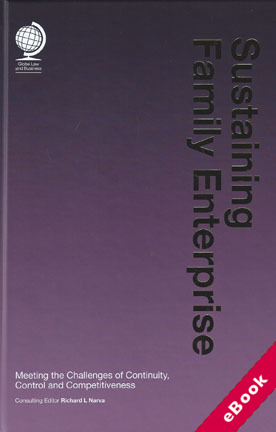
This new book is a follow up companion guide to Family Enterprises: How to Build Growth, Family Control and Family Harmony. The first volume features chapters written and edited by experts from many disciplines and located across the globe to provide the architecture for enduring, continuing family controlled enterprises.
This second volume is intended to provide sustenance to those stakeholders committed to the core objectives presented in the title to the first book. It addresses ongoing issues facing both family shareholder control groups and the enterprises they control that surface in ongoing, mature, successful endeavours.
The audience for this book is the owners, directors, managers of, and advisers to, family-controlled enterprises and the families that control them. It assumes that such enterprises have been launched – or at least renewed – as expressly family controlled businesses, or other enterprises.










