
The eBooks we sell are sold as a single-user licence and are intended for the end user only.
The sale of some eBooks are restricted to certain countries. To alert you to such restrictions, please select the country of the billing address of your credit or debit card you wish to use for payment.
For further information see https://www.wildy.com/ebook-formats
Once the order is confirmed an e-mail will be sent to you to allow you to download the eBook. For UK purchases this will be automatic. For purchases outside the UK a member of staff will need to confirm the sale. (Staff are available to do this during normal business hours, Mon-Fri 8:30-17:00 UK time)
All eBooks are supplied firm sale and cannot be returned. If you believe there is a fault with your eBook then contact us on ebooks@wildy.com and we will help in resolving the issue. This does not affect your statutory rights.
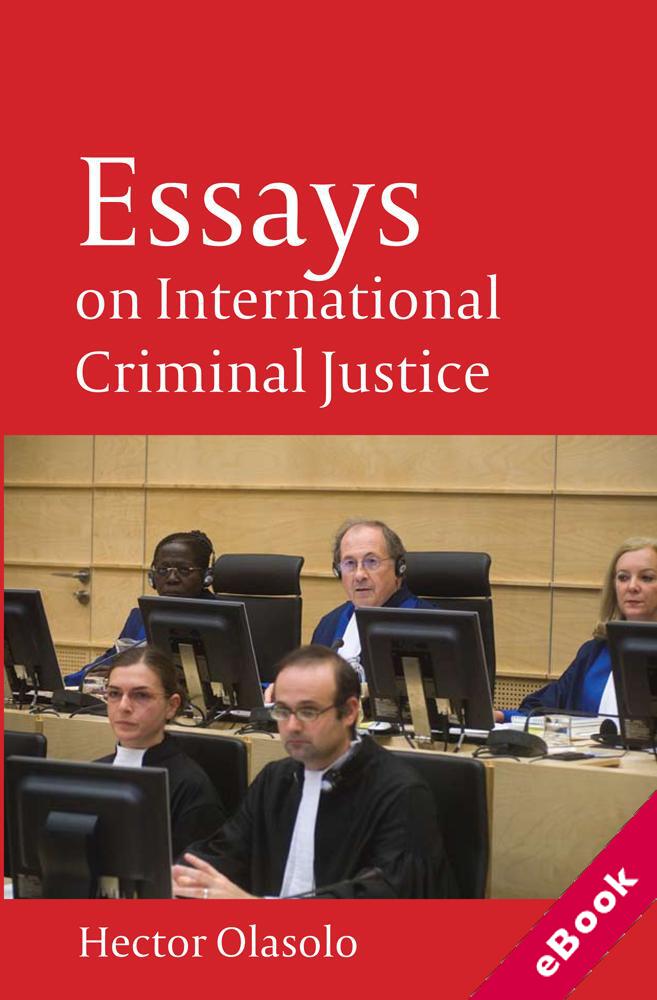
Crimes of atrocity have profound and long-lasting effects on any society. The difference between triggering and preventing these tragic crimes often amounts to the choice between national potential preserved or destroyed. It is also important to recognise that they are not inevitable: the commission of these crimes requires a collective effort, an organisational context, and long planning and preparation. Thus, the idea of strengthening preventative action has taken on greater relevance, and is now encompassed in the emerging notion of 'responsibility to prevent'. International courts and tribunals contribute to this effort by ending impunity for past crimes. Focusing investigations and prosecution on the highest leadership maximizes the impact of this contribution.
The ICC has an additional preventative mandate which is fulfilled by its timely intervention in the form of preliminary examinations. Moreover, when situations of atrocity crimes are triggered, its complementarity regime incentivises states to stop violence and comply with their duties to investigate and prosecute, thus strengthening the rule of law at the national level. The new role granted to victims by the Rome Statute is key to the ICC´s successful fulfilment of these functions. This new book of essays, which includes the author's unpublished inaugural lecture at Utrecht University, examines these issues and places particular emphasis in the additional preventative mandate of the ICC, the ICC complementarity regime, the new role granted to victims, and the prosecution of the highest leadership through the notion of indirect perpetration.











