
The eBooks we sell are sold as a single-user licence and are intended for the end user only.
The sale of some eBooks are restricted to certain countries. To alert you to such restrictions, please select the country of the billing address of your credit or debit card you wish to use for payment.
For further information see https://www.wildy.com/ebook-formats
Once the order is confirmed an e-mail will be sent to you to allow you to download the eBook. For UK purchases this will be automatic. For purchases outside the UK a member of staff will need to confirm the sale. (Staff are available to do this during normal business hours, Mon-Fri 8:30-17:00 UK time)
All eBooks are supplied firm sale and cannot be returned. If you believe there is a fault with your eBook then contact us on ebooks@wildy.com and we will help in resolving the issue. This does not affect your statutory rights.
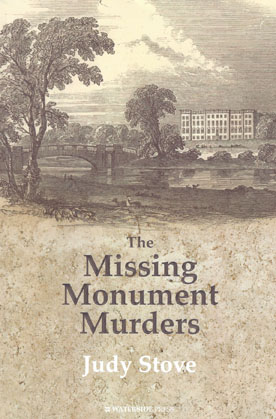
In 1806, Jane Austen’s relative, the Reverend Thomas Leigh, inherited huge estates and the mood in the extended Leigh/Austen family was jubilant.
But within a few years, bizarre events were being reported: the removal and destruction of monuments in the village church, fraud, and the eviction of villagers who dared talk of events. In later years, it would even be alleged that the family engaged in murder as part of a cover-up.
For the first time, this book tells the whole story in which lawyer Charles Griffin, who tried to expose matters, ended up in gaol for his pains.
Brilliantly constructed, minutely researched and documented, this book is a window into the days when someone’s existence could depend on whether or not it was actually recorded for posterity — in this instance by unusually hard evidence: the monument stone of the title which disappeared from a church wall along with various people who knew of its existence.
It is an account that connects Austen, Byron, Scottish bridge engineer John Rennie and Henry Brougham (future Lord Chancellor) plus other famous lawyers and individuals of the age with the wealth, power, influence and allegedly dubious activities of both the landed gentry and downtrodden rural poor, the former so powerful that, so it was claimed, attempts were made to re-write social, legal and local history.











