
The eBooks we sell are sold as a single-user licence and are intended for the end user only.
The sale of some eBooks are restricted to certain countries. To alert you to such restrictions, please select the country of the billing address of your credit or debit card you wish to use for payment.
For further information see https://www.wildy.com/ebook-formats
Once the order is confirmed an e-mail will be sent to you to allow you to download the eBook. For UK purchases this will be automatic. For purchases outside the UK a member of staff will need to confirm the sale. (Staff are available to do this during normal business hours, Mon-Fri 8:30-17:00 UK time)
All eBooks are supplied firm sale and cannot be returned. If you believe there is a fault with your eBook then contact us on ebooks@wildy.com and we will help in resolving the issue. This does not affect your statutory rights.
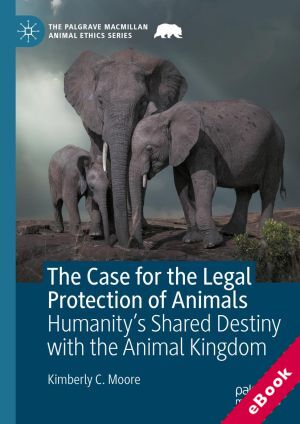
This book presents the case for legal protection for animals based on humanity's shared interests and destinies with the animal kingdom. To underscore the urgent need for legal reform, the book documents how animals are in crisis, with separate discussions on animals in entertainment, research, fashion, the food industry, and animals in our homes, as well as issues that impact wildlife and aquatic animals. In each of the foregoing areas, there is a discussion of major developments for animals across the globe, the objective being to demonstrate how the U.S. is out of step with other major countries in its legal treatment of animals. The importance of media as a driver of change is also considered. This background culminates to the heart of the book, which discusses and analyzes the link between human rights and animal rights, with nine areas explored (e.g., loss of biodiversity; environmental destruction; zoonotic diseases; world hunger; violence). Challenges to legal reforms are also explored, including issues associated with weak laws, the failure to enforce existing laws, and governmental agencies that tend to overlook the actions of industries. Finally, the book explores the development of animal law and the trajectory of current laws, with analysis of developing 'rights of nature' laws and 'legal personhood' status for animals.











