
The eBooks we sell are sold as a single-user licence and are intended for the end user only.
The sale of some eBooks are restricted to certain countries. To alert you to such restrictions, please select the country of the billing address of your credit or debit card you wish to use for payment.
For further information see https://www.wildy.com/ebook-formats
Once the order is confirmed an e-mail will be sent to you to allow you to download the eBook. For UK purchases this will be automatic. For purchases outside the UK a member of staff will need to confirm the sale. (Staff are available to do this during normal business hours, Mon-Fri 8:30-17:00 UK time)
All eBooks are supplied firm sale and cannot be returned. If you believe there is a fault with your eBook then contact us on ebooks@wildy.com and we will help in resolving the issue. This does not affect your statutory rights.
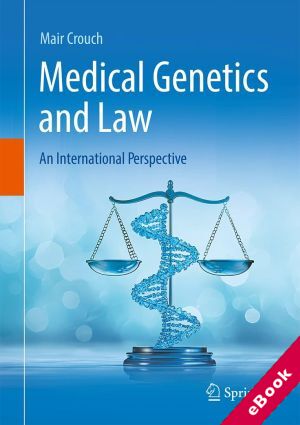
This book is an essential resource to understanding the intersection of medical genetics and law. In a unique approach, it provides an overview on the biological principles of DNA basics and genetic inheritance linking the knowledge with the ethical and legal challenges presented by modern developments in genetics.
The first chapters educate the reader in key concepts such as cell division, genetic inheritance, genome study methods, genetic screening and testing across various countries. It further expands into complex issues where regulation is required, in particular: controversial aspects of genetic modifications, ethical concerns around patient confidentiality and biobanks' role in linking genetic variation to complex diseases. It includes legal cases regarding negligence claims from conception to adulthood and reflects on the impact of present and future developments in genomics on the law.
Readers will gain a deeper understanding of how developments in genetics impact individuals and society, helping them navigate this rapidly evolving field. Given the interdisciplinary approach, the book is suitable for both medical and law students, practicing lawyers, medical practitioners, and genetic counselors. It is particularly beneficial for those who deal with medical negligence and need to understand the genetic aspects of such cases.










