
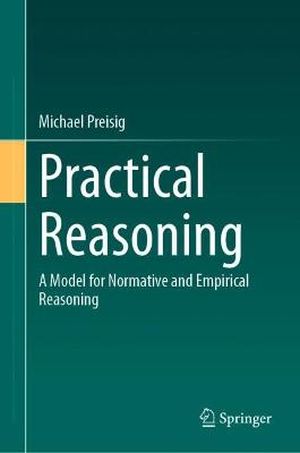
This book seeks answers to two basic questions: What are normative rules and how can and should we apply them? It takes a fresh look both at legal reasoning as a process and normative rules as instruments. On the one hand, based on a decision-making model, it suggests a more practical approach to rule application that isn't limited to interpretation, but includes searching, evaluation and choice. On the other hand, it proposes a more precise structure for normative rules that includes not only their scope and normative consequences, but also their circumstances and purposes.
It then goes on to study such features as their open- and mandatoriness as well as their generality, vagueness and ambiguity, and examines how these features impact the rules' breadth and the discretion they offer in terms of their application. Lastly, it considers how these aspects affect rules' validity, binding- and effectiveness. Because the application of normative rules requires a basis in evidence, the book also includes a discussion of fact-finding and points to some interesting similarities between the philosophies of law and science.










