The eBooks we sell are sold as a single-user licence and are intended for the end user only.
The sale of some eBooks are restricted to certain countries. To alert you to such restrictions, please select the country of the billing address of your credit or debit card you wish to use for payment.
For further information see https://www.wildy.com/ebook-formats
Once the order is confirmed an e-mail will be sent to you to allow you to download the eBook. For UK purchases this will be automatic. For purchases outside the UK a member of staff will need to confirm the sale. (Staff are available to do this during normal business hours, Mon-Fri 8:30-17:00 UK time)
All eBooks are supplied firm sale and cannot be returned. If you believe there is a fault with your eBook then contact us on ebooks@wildy.com and we will help in resolving the issue. This does not affect your statutory rights.
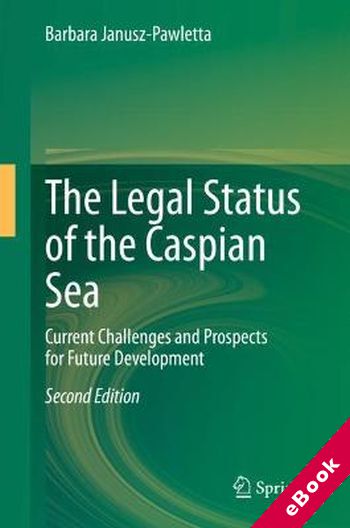
This book analyzes the legal and economic situation concerning the removal and allocation of natural resources in the Caspian Sea – the largest enclosed body of salt water in the world, which not only constitutes a fragile ecosystem with tremendous fishery resources, but is also rich in oil and gas deposits. After more than 20 years of negotiations, the five littoral states signed the Convention on the Legal Status of the Caspian Sea in August 2018.
This book investigates whether this long-awaited agreement may pave a way forward for the sustainable and peaceful development of the Caspian region. The newly introduced regulations on the delimitation of the boundaries, on the Caspian Sea’s natural resources (especially its fossil fuels) and on the transport of goods by shipping and submarine pipelines, are of utmost importance for the successful participation of the Caspian states in global markets. In addition to a detailed analysis of the Convention, the book offers an up-to-date and comprehensive overview of the historical background and current status of issues that are of critical importance for the region’s development and security.