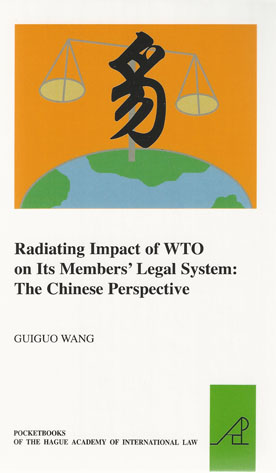
The World Trade Organization (“WTO”) resulted from globalization, through which national law provisions are internationalized and international norms are domesticated. The WTO does not permit reservation by its members who are obliged to ensure the compliance of their laws, policies and other measures.
Once a member is found to have violated its obligations, it must rectify the non-compliance measures to avoid retaliation. The quasi-automatic approval procedure of the WTO Dispute Settlement Body has proved to be effective in ensuring the compliance by members and consistency of interpretation moreof the WTO Agreement.
As the multilateral trade institution covers a wide range of sectors from trade in goods and services, and intellectual property to investment and the measures of the members include laws and regulations, administrative decisions and judicial rulings, the impacts of the WTO on the members’ legal systems are hugely profound and long lasting. In some cases, for the purpose of joining the WTO, the legal systems of the members concerned have been through significant changes.