The eBooks we sell are sold as a single-user licence and are intended for the end user only.
The sale of some eBooks are restricted to certain countries. To alert you to such restrictions, please select the country of the billing address of your credit or debit card you wish to use for payment.
For further information see https://www.wildy.com/ebook-formats
Once the order is confirmed an e-mail will be sent to you to allow you to download the eBook. For UK purchases this will be automatic. For purchases outside the UK a member of staff will need to confirm the sale. (Staff are available to do this during normal business hours, Mon-Fri 8:30-17:00 UK time)
All eBooks are supplied firm sale and cannot be returned. If you believe there is a fault with your eBook then contact us on ebooks@wildy.com and we will help in resolving the issue. This does not affect your statutory rights.
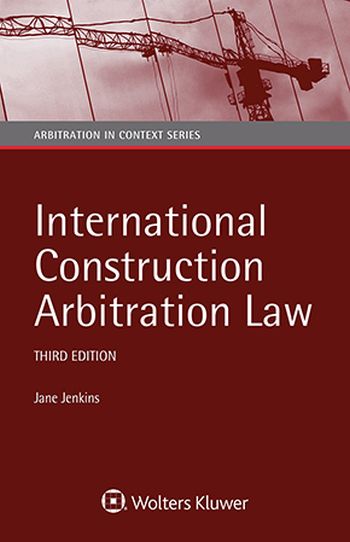
International Construction Arbitration Law, the eminent practical guide in this third edition, is aimed at addressing the significant developments in the practice of dispute resolution on major construction and engineering projects. The text, updated to include the latest edition of arbitral rules and to introduce the Prague Rules, considers the full range of available dispute resolution methods, including mediation, conciliation and determination by dispute review boards, before focusing specifically on arbitration. The third edition addresses fresh thinking on MedArb, guidance on preparation for and conduct of virtual hearings in the wake of COVID-19, technological advances to assist collection and presentation of evidence, litigation funding and includes a new chapter on the role of arbitration in tender disputes.
What’s in this book:
Recent years have seen the rise of new opportunities, markets, and challenges for construction projects globally. Specific valuable features of this edition include the following:
The third edition has a new chapter addressing the role of arbitration in tender disputes given the importance of tendering in the international construction and engineering industry.
How this will help you:
As an easy-to-use resource for both general counsel and the lawyers in private practice, this book has no peers. It has proved to be of particular value to commercial contract negotiators and corporate counsel who may have many years of experience but have not had to live through a construction dispute or manage a construction contract during the life of a project. Lawyers in private practice embarking on a construction dispute for the first time will also find this book of value, as will students of dispute resolution.