We will be closed from 5pm BST on Friday 28th August 2026 for the late summer bank holiday, re-opening at 8.30am BST on Tuesday 1st September. Any orders placed during this period will be processed when we re-open.
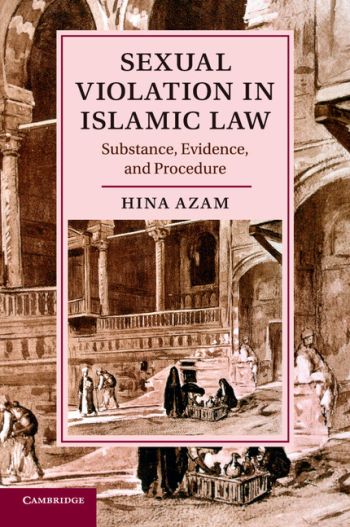
This book provides a detailed analysis of Islamic juristic writings on the topic of rape and argues that classical Islamic jurisprudence contained nuanced, substantially divergent doctrines of sexual violation as a punishable crime.
The work centers on legal discourses of the first six centuries of Islam, the period during which these discourses reached their classical forms, and chronicles the juristic conflict over whether or not to provide monetary compensation to victims. Along with tracing the emergence and development of this conflict over time, Hina Azam explains evidentiary ramifications of each of the two competing positions, which are examined through debates between the Hanafi and Maliki schools of law.
This study examines several critical themes in Islamic law, such as the relationship between sexuality and property, the tension between divine rights and personal rights in sex crimes, and justifications of victim's rights afforded by the two competing doctrines.