The eBooks we sell are sold as a single-user licence and are intended for the end user only.
The sale of some eBooks are restricted to certain countries. To alert you to such restrictions, please select the country of the billing address of your credit or debit card you wish to use for payment.
For further information see https://www.wildy.com/ebook-formats
Once the order is confirmed an e-mail will be sent to you to allow you to download the eBook. For UK purchases this will be automatic. For purchases outside the UK a member of staff will need to confirm the sale. (Staff are available to do this during normal business hours, Mon-Fri 8:30-17:00 UK time)
All eBooks are supplied firm sale and cannot be returned. If you believe there is a fault with your eBook then contact us on ebooks@wildy.com and we will help in resolving the issue. This does not affect your statutory rights.
Due to a technical issue some ebooks are not available to order.
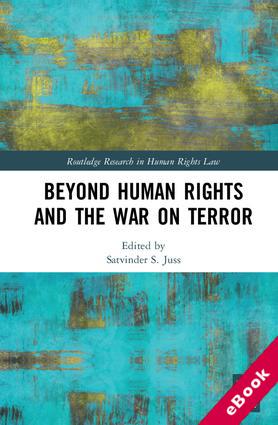
This edited collection provides a comprehensive, insightful, and detailed study of a vital area of public policy debate as it is currently occurring in countries across the world from India to South Africa and the United Kingdom to Australia. Bringing together academics and experts from a variety of jurisdictions, it reflects upon the impact on human rights of the application of more than a decade of the "War on Terror" as enunciated soon after 9/11.
The volume identifies and critically examines the principal and enduring resonances of the concept of the "War on Terror". The examination covers not only the obvious impacts but also the more insidious and enduring changes within domestic laws. The rationale for this collection is therefore not just to plot how the "War on Terror" has operated within the folds of the cloak of liberal democracy, but how they render that cloak ragged, especially in the sight of those sections of society who pay the heaviest price in terms of their human rights.
This book engages with the public policy strand of the last decade that has arguably most shaped perceptions of human rights and engendered debates about their worth and meaning. It will be of interest to researchers, academics, practitioners, and students in the fields of human rights law, criminal justice, criminology, politics, and international studies.