The eBooks we sell are sold as a single-user licence and are intended for the end user only.
The sale of some eBooks are restricted to certain countries. To alert you to such restrictions, please select the country of the billing address of your credit or debit card you wish to use for payment.
For further information see https://www.wildy.com/ebook-formats
Once the order is confirmed an e-mail will be sent to you to allow you to download the eBook. For UK purchases this will be automatic. For purchases outside the UK a member of staff will need to confirm the sale. (Staff are available to do this during normal business hours, Mon-Fri 8:30-17:00 UK time)
All eBooks are supplied firm sale and cannot be returned. If you believe there is a fault with your eBook then contact us on ebooks@wildy.com and we will help in resolving the issue. This does not affect your statutory rights.
Due to a technical issue some ebooks are not available to order.
Debt is a fact of life nowadays. Debt is used to help businesses grow and individuals secure their futures.
But sometimes things go awry - the financial upheaval of pandemic being a prime example - and a debtor is left facing bills they cannot pay. Their creditors may then start to take legal action to recover their money and, if they are still not paid, creditors may threaten to present a bankruptcy or a winding up petition. The law and procedures involved are complex and can seem overwhelming to someone with little legal knowledge.
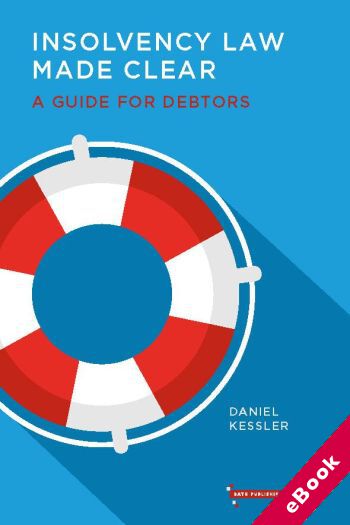
Insolvency Law Made Clear: A Guide for Debtors aims to help such people. It is a clear, plain English guide to personal and corporate insolvency law and procedure that will help the debtor either challenge their creditors or enable them to come out the other side with the best outcome possible so they can move on to the next chapter in their life.
Daniel Kessler, a barrister who represents both debtors and creditors in the insolvency courts, answers all the key questions that the reader will need to answer such as:
Crucially, he also provides invaluable tips, guidance and checklists on how to represent yourself in proceedings - sometimes, the only option where funds are tight- alongside a collection of precedent documents and forms that will help in that effort.
This comprehensive combination of guidance and precedents in Insolvency Law Made Clear: A Guide for Debtors makes it an essential reference for everyone facing a debt they cannot afford to repay, whether as an individual or a business.