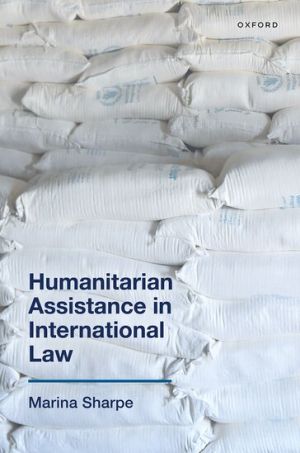
Humanitarian Assistance in International Law provides a comprehensive account of how international law governs humanitarian assistance across all contexts in which it is delivered: armed conflict, situations of violence not amounting to armed conflict, disasters, mixed situations, and at sea.
The book has two main parts. Part II sets out the core legal framework. Beginning with an analysis of the humanitarian principles of humanity, impartiality, neutrality, and independence, it then turns to the international legal rules applicable in armed conflict, including preventive assistance and emergency relief operations. The latter are addressed in depth, including practical modalities and arrangements; the legal framework; how understanding of this framework has evolved; and supplementary rules privileging certain types of assistance. Dedicated sections examine the unlawful impeding of relief operations, with a focus on military necessity and siege warfare, as well as individual accountability and international responsibility for violations. Part II also considers the legal regulation of humanitarian assistance in peacetime, including in disaster, mixed, and maritime contexts.
Part III examines the major categories of international humanitarian actors: the United Nations, non-state actors, and states. For each type of actor, the book explores its historical and contemporary engagement with humanitarian assistance and how international law regulates and facilitates its work, including protections for operations and personnel.
Humanitarian assistance has become one of the most urgent and contested issues in international affairs. This timely, ambitious, and exhaustively researched book will enable students, scholars, humanitarian practitioners, military officers, and foreign policy officials to engage with it more effectively.