
Due to the current Microsoft incident we are unable to access Email and also the supply of some eBooks may be delayed as well as our ability to process online payments - You can still call the shop on (020) 7242 5778 (08.30-17:00). Last updated 13/11/26 08:30 GMT
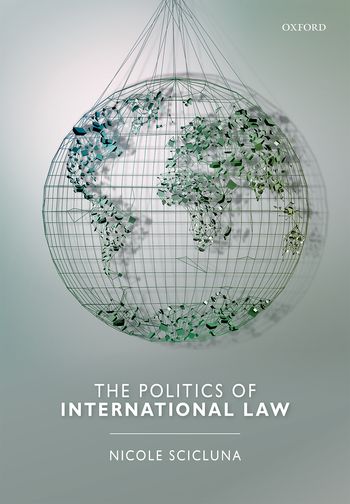
The Politics of International Law offers an introduction to the role of law in contemporary international affairs. Through a case study-driven analysis of topics such as human rights, the use of force, international environmental law, international trade law, international criminal justice and the right to self-determination, the book explains the interaction between law and politics in the world today, demonstrating that one cannot be understood without the other. The book is divided into two parts. Part I introduces contemporary international law with a focus on constitutive legal principles such as sovereignty, territorial integrity and the legal equality of states. Through these introductory chapters, students are encouraged to take a holistic view of the processes and actors that drive international affairs, and explore the fascinating paradox that while international law is largely created through political processes, it also constitutes the environment in which international politics is practiced. Part II builds on the foundations laid in Part I to analyze contemporary controversies in international law and politics. Chapters focus on a number of substantive issue areas, including international environmental law, international economic law, human rights law, self-determination and secession, the law governing the use of force, and international criminal justice. This book is written to impart on readers a deepened understanding of both the possibilities and limits of international law as a tool for structuring relations in the world. Digital Formats and Resources Also available as an e-book with functionality, navigation features, and links that offer extra learning support










