
The eBooks we sell are sold as a single-user licence and are intended for the end user only.
The sale of some eBooks are restricted to certain countries. To alert you to such restrictions, please select the country of the billing address of your credit or debit card you wish to use for payment.
For further information see https://www.wildy.com/ebook-formats
Once the order is confirmed an e-mail will be sent to you to allow you to download the eBook. For UK purchases this will be automatic. For purchases outside the UK a member of staff will need to confirm the sale. (Staff are available to do this during normal business hours, Mon-Fri 8:30-17:00 UK time)
All eBooks are supplied firm sale and cannot be returned. If you believe there is a fault with your eBook then contact us on ebooks@wildy.com and we will help in resolving the issue. This does not affect your statutory rights.
Due to a technical issue some ebooks are not available to order.
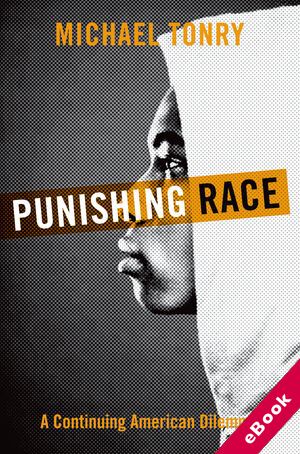
How can it be, in a nation that elected Barack Obama, that one third of African American males born in 2001 will spend time in a state or federal prison, and that black men are seven times likelier than white men to be in prison? Blacks are much more likely than whites to be stopped by the police, arrested, prosecuted, convicted, and imprisoned, and are much less likely to have confidence in justice system officials, especially the police.
In Punishing Race, Michael Tonry demonstrates in lucid, accessible language that these patterns result not from racial differences in crime or drug use but primarily from drug and crime control policies that disproportionately affect black Americans. These policies in turn stem from a lack of white empathy for black people, and from racial stereotypes and resentments provoked partly by the Republican Southern Strategy of using coded "law and order" appeals to race to gain support from white voters. White Americans, Tonry observes, have a remarkable capacity to endure the suffering of disadvantaged black and, increasingly, Hispanic men. Crime policies are among a set of social policies enacted since the 1960s that have maintained white dominance over black people despite the end of legal discrimination. To redress these injustices, Tonry offers a number of proposals: stop racial profiling by the police, shift the emphasis of drug law enforcement to treatment and prevention, eliminate mandatory sentencing laws, and change sentencing guidelines to allow judges discretion to take account of offenders' life circumstances. Those proposals are all attainable and would all reduce unjustifiable racial disparities and the collateral human and social harms they cause.
A damning indictment of decades of misguided criminal justice policy, Punishing Race takes a crucial look at persisting racial injustice in America.










